Preparing for a baby can feel overwhelming—especially when you’re expecting a baby in a foreign country.
If you’re having a baby in Japan as a foreigner, you might be wondering:
- What baby items do I really need to buy before birth?
- What does the hospital provide in Japan?
- Are baby products in Japan different from other countries?
As a Japanese mom raising a baby with a foreign partner in Japan, I’ve been through this process myself.
In this guide, I’ll share what baby essentials you actually need to buy in Japan, what you can skip, and where to shop easily as a foreign parent.
What to Prepare Before Having a Baby in Japan
Why Baby Shopping in Japan Is Different
Baby preparation in Japan is very different from many Western countries.
In Japan:
- Hospitals provide many postpartum items
- Homes and apartments are often small
- Many parents buy things after the baby is born
Because of this, buying everything in advance is usually unnecessary—and often stressful.
 Kiki
KikiHow to Decide What to Buy Before Giving Birth
To keep things simple, I recommend deciding what to buy based on these three criteria:
- Items you will need during your hospital stay
- Items you will need at the time of discharge
- Items you need to prepare at home before bringing your baby back
Focusing on these three situations helps you prioritize the essentials and avoid unnecessary purchases, especially for first-time parents.
Items you will need during your hospital stay
Electric Breast Pump
I didn’t know if I could breastfeed so I didn’t bring this, however, I felt I should have brought an electric breast pump! This breast pump is cordless, that was useful for me.
Nail Clipper for baby
To be honest, this is what I forgot to bring/buy. I needed to ask my husband to get this once our son was born, because his nails are vey long. We’ve been using this nail clippers below.
If you’d like an electric baby nail trimmer, you can find it too.
Cushion
It’s very helpful to have a cushion to breastfeed / feed a bottle of milk. It supports your wrists, arms, and back.
Photo items – clothes, letter board, etc if needed
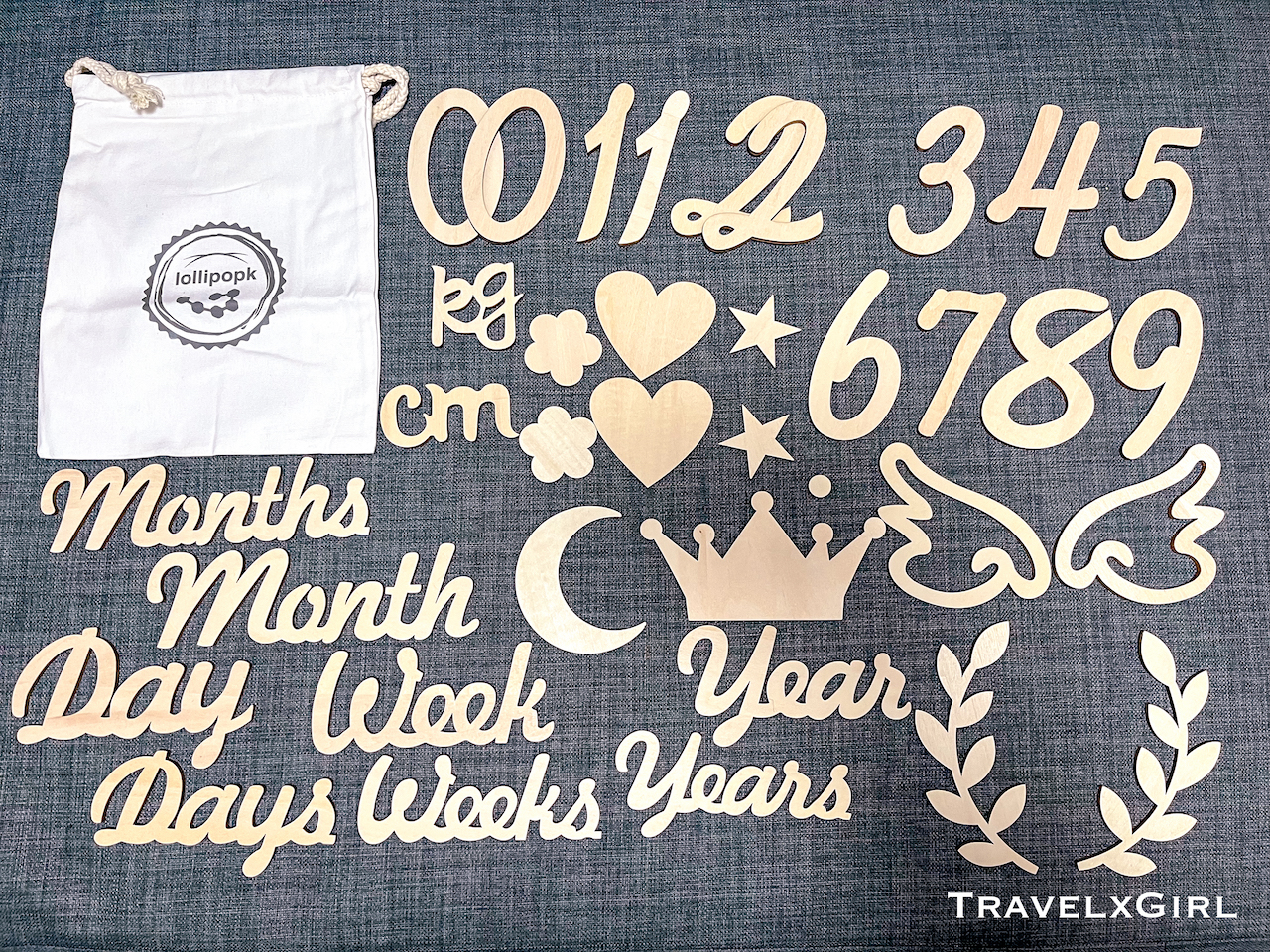
I was excited to take pictures of my son! I brought some photo items to the hospital. I got this Letter banner.
Also, the letter board.
Items you will need at the time of discharge from hospital
the details following below.
Items you will need at the time of discharge
- Clothes – maybe mittens, socks, beanie, etc
- Car seat or/and Stroller or/and Baby carrier – depending on how to leave hospital
You need to have items that are for “newborn baby”.
High-Priority Baby Essentials to Buy Before Birth
These are the items I recommend preparing before delivery, especially if you’re a foreigner living in Japan.
Baby Crib & Sleeping Setup
In Japan, parents usually choose between:
- A baby crib
- A Japanese-style baby futon
A full-size crib may feel too large for Japanese apartments, so many families choose compact cribs or rent one.
Recommended options:
- Compact baby crib
- Baby futon set
- Crib rental service (very common in Japan)
KikiStroller & Baby Carrier (Japan-Friendly Choices)
This is one of the most important decisions.
It depends on the area you live and go, but usually big cities or central area of city in Japan has:
- Narrow sidewalks
- Many stairs at stations
- Crowded trains / bus
Because of this, baby carriers are essential, and lightweight strollers work best.
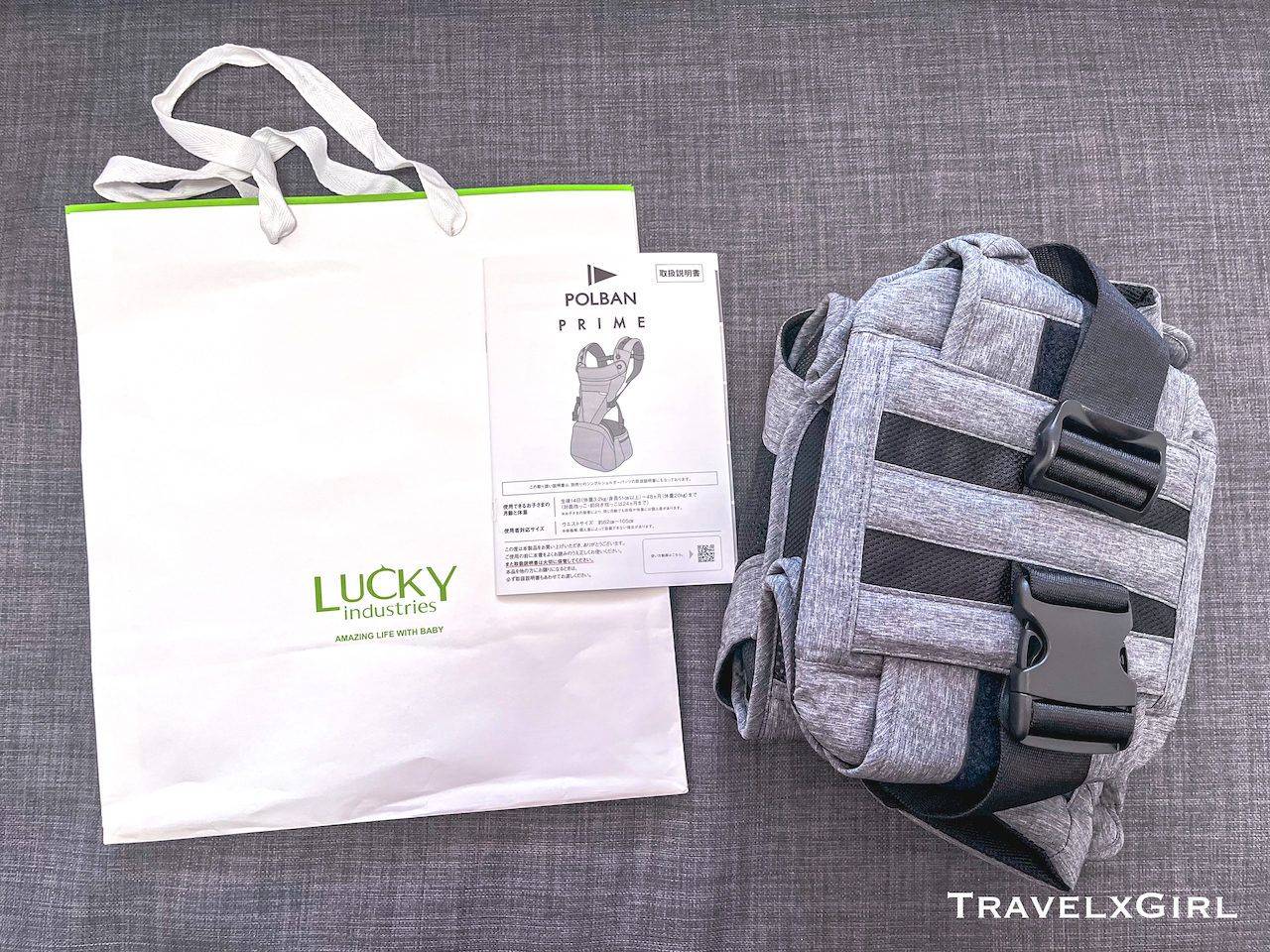
Baby Stroller
What is popular for stroller :
- Lightweight stroller
- Compact folding
- Comfortable baby carrier
We wanted to get a stroller like;
- The handle is higher because my husband is 203cm tall and I am 170cm tall
- Stable to push – thick big tires
What I use is; Leona2 because
- Size: W46.5cm L85.5cm H103.5cm – not too big so that we can go through train ticket gates
- not too heavy – 8.84kg
- Up to 22kg
Another product that we thought were good;
Cybex Melio Carbon
- from 1 month to 3 years old
- 5.9kg (itself)
- Up to 15kg
Car Seat (If You Plan to Drive)
If you own or plan to use a car in Japan, a car seat is legally required. Even short trips require a proper car seat, so this is not optional.
We tried to find a one that is:
- Available from newborn
- Rotate
- Usable for long years
What we use; Joie i-arc 360 that rotate 360, which is very useful.
Car Seat x Stroller
If you want something that works as both car seat and stroller, Doona is a good option. You can use it as a stroller, and then you can attach it on a car as a car seat.
KikiBaby Care Essentials You’ll Use Every Day
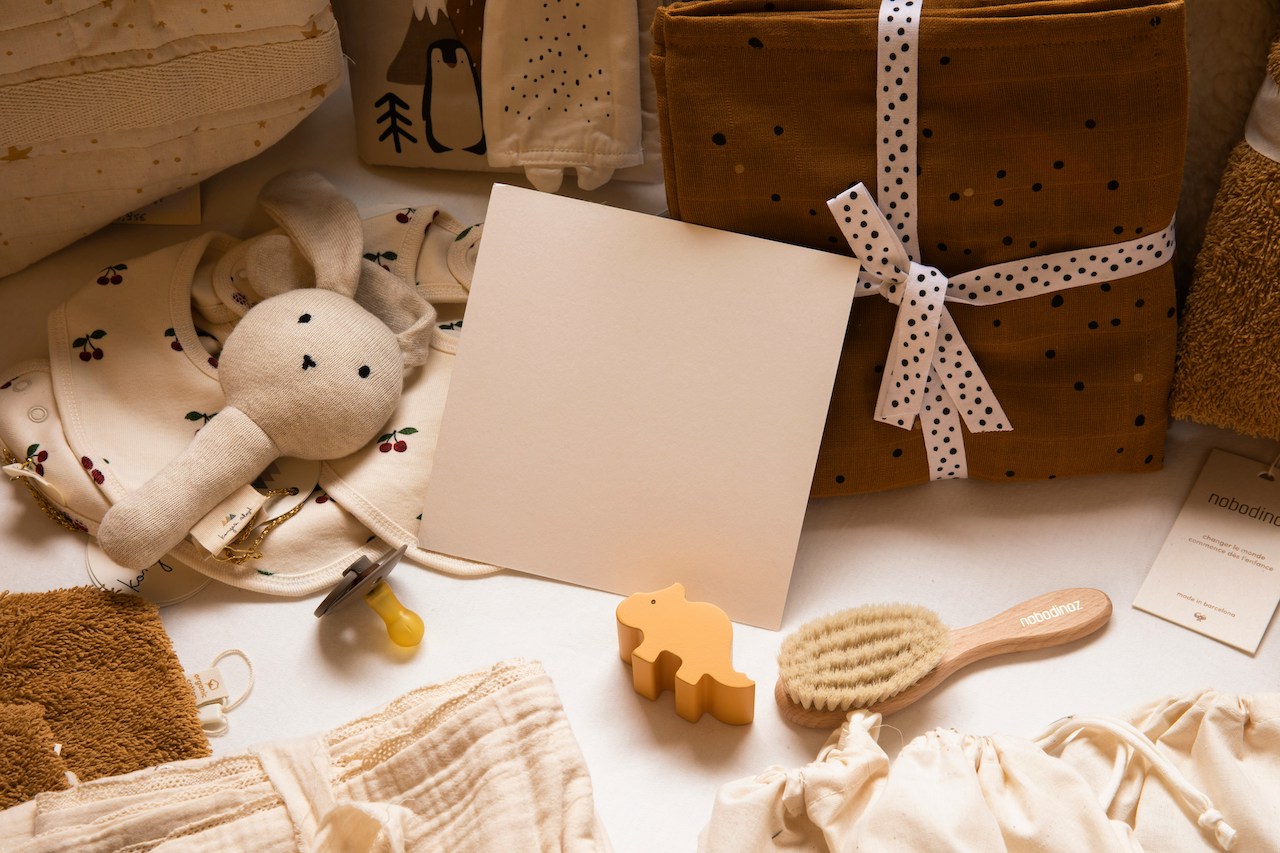
Diapers, Wipes & Bath Items in Japan
Japanese baby products are known for being:
- High quality
- Gentle on baby skin
- Widely available
Daily essentials include:
- Disposable diapers
- Baby wipes
- Baby soap & bath items
Diaper
I think we don’t need to prepare a lot in advance, but it was a relief for me to have some extra at home.
Baby Wipes – 99% water
It depends on your preference though, we keep using wipes that is made with 99% water since my son’s birth.
Baby Bath
We chose this Richell Baby Bath, that you can put air in to use. We thought we can keep it for 2nd child if we want. Some people say that it tends to get mold easily, but we hang it upside down every time after use.
Baby Clothing in Japan (Sizing & Seasons)
Japanese baby clothing sizes and styles may feel unfamiliar.
Things to know:
- Sizes are smaller than Western brands
- Seasonal clothing is important
- Layering is common
Basic items include:
- Undershirts (hada-gi)
- Bodysuits
- Seasonal sleepwear
What You Don’t Need to Buy Before Birth in Japan

Items Hospitals Usually Provide
Many Japanese hospitals provide:
- Baby clothes during your stay
- Diapers and wipes
- Postpartum care items
You should ask the hospital what they’d provide and what you need to bring.
👉 Giving Birth in Japan Experience
Items You Can Buy After Birth
Thanks to fast delivery in Japan, you can buy many things after your baby arrives, including:
- Extra baby clothes
- Bottles and feeding items
- Toys and accessories
Amazon Japan often delivers within 1–2 days, which reduces the need to prepare everything in advance.
Where to Buy Baby Items in Japan (Foreigner-Friendly)
Amazon Japan (Best for Foreign Parents)
Amazon Japan is the easiest option for foreigners because:
- English interface available
- Reliable delivery
- Easy returns
Baby Stores in Japan (If You Read Japanese)
If you’re comfortable with Japanese:
- Akachan Honpo
- Nishimatsuya
- Babies “R” Us Japan
These stores offer good quality but are harder to navigate without Japanese.
Tips from a Japanese Mom Raising a Baby with a Foreign Partner
Cultural Differences in Baby Preparation
In Japan, parents often believe:
- “Less is more”
- You don’t need to prepare everything early
- Support systems matter more than products
This mindset can feel very different from Western expectations.
My Honest Advice After Giving Birth in Japan
If I could give one piece of advice:
Don’t overbuy. Focus on essentials, and trust that you can get what you need later.
Final Thoughts – What Really Matters Before Baby Arrives
Preparing for a baby in Japan doesn’t mean buying everything in advance.
It means understanding the system, choosing essentials wisely, and reducing stress.
Whether you’re a foreign parent living in Japan or planning to give birth here, I hope this guide helps you feel more confident and prepared.
Here are more guide;