I gave birth to my baby in Japan as a Japanese woman married to a foreign husband,
and I experienced the Japanese maternity system firsthand — from fertility treatment (IUI, IVF), pregnancy checkups to delivery, hospital stay, and postpartum support.
In this article, I share not only general information, but also what it was *really like*
based on my own experience.
This article is for:
- Foreigners living in Japan
- International couples expecting a baby
- Those considering giving birth in Japan as a non-Japanese
Giving Birth in Japan as International Family
We are married international couple, American husband and I (Japanese) had our boy in Japan. We used to live in San Diego, USA, we moved to Japan and went through fertility treatment (IUI, IVF), pregnancy, and giving birth in Japan in 2024.
How to Choose Maternity Hospital / Clinic?
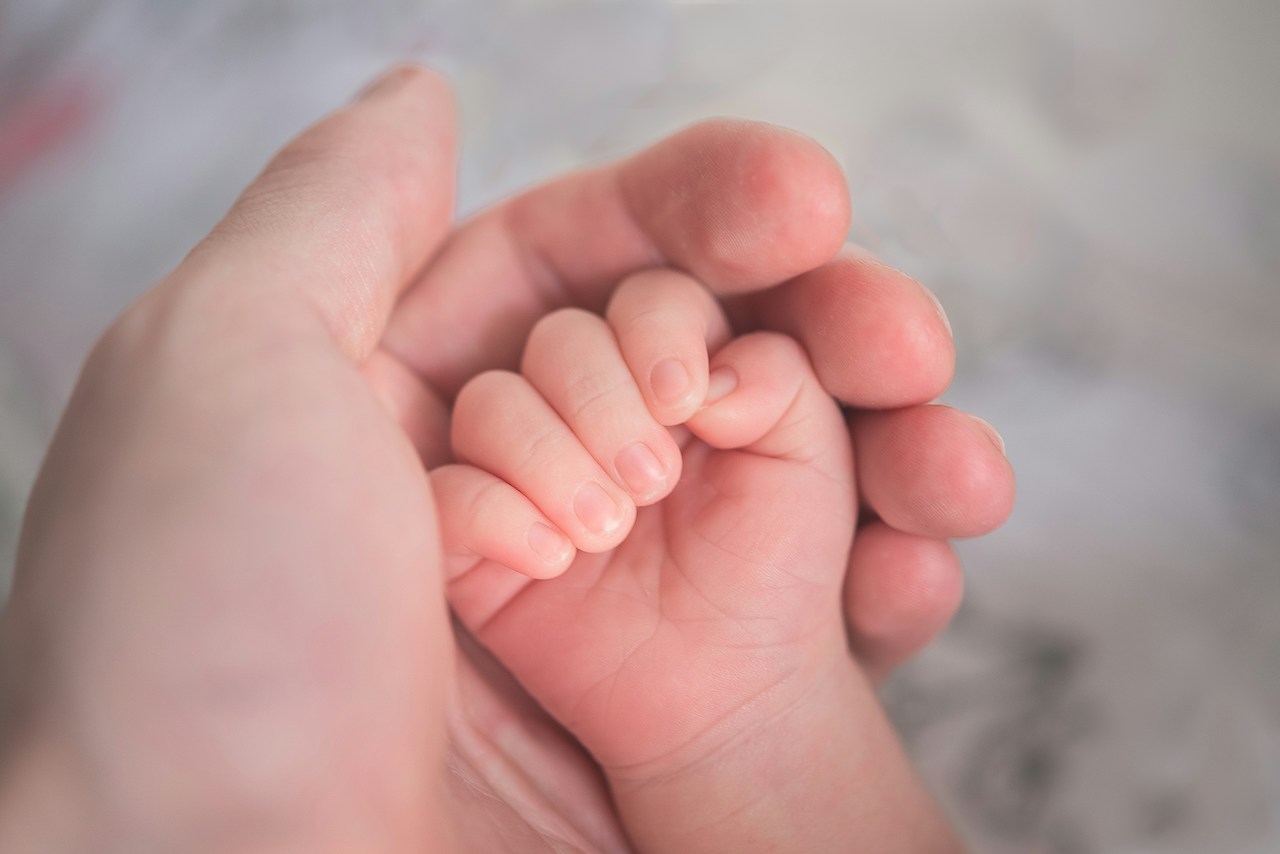
I choose to deliver my baby at a University Hospital.
The reasons to choose;
- Location
- High Risk
- Language
- Equipment / Facility
Location – Accessible from home
This might be a big part of my choice, but it’s very important to easily access to the hospital from your home, your partner’s workplace, etc. It’s convenient if it’s close to where you’d be often because no one knows when the labor would start.
High Risk Delivery
The definition of “High Risk” depends on clinics/hospitals. For example, IVF, age (35+ years old), high BMI (25+), any complications, etc.
I went through IVF to get pregnant. Some clinics said that they wouldn’t accept pregnant women that got pregnant by IVF.
I was 33 years old but some places would say giving birth at over 35 years old is also high risk. Plus, there are some clinics that wouldn’t accept pregnant women who’s BMI is over 25.
Language – English
I wanted my husband to understand every situation with me, not to be left out. Also, just in case something happens to me, my husband needs to be able to communicate with doctors/nurses/staffs at hospital, also might need to make an important decision.
Equipment / Facility
I felt better to know that there are many kinds of equipments at the hospital in case of some complication. Especially after the doctor found a health problem with my son during the midterm checkup (20 weeks pregnant).
Also, the hospital had LDR room (Labor, Delivery, Recovery) that was nice. Another thing is that I could get a private room with a bathroom! It sounded great to me!
What You Should Do to Choose a Maternity Hospital / Clinic
You can go to the website, even they don’t have an English page, still you can try google translation on the page. You can also call to the clinic / hospital if you are comfortable!
I made a list of questions;
- Option for Epidural Delivery
- Cost
- any condition (age, BMI, etc)
- Language
They’d ask you when your due date is, too. Some of them would ask you to come visit to get information though.
Birth Ways in Japan
This might be a very big surprising thing for my American husband..! and might be for you.
Natural Birth ( Sizen bumben )
This is the way to give a birth withOUT painkiller, which 94.7% of Japanese Women do.
Some people still believe that you should do without painkiller so that you will have more love towards your baby with pain, etc. For me, it’s a big myth. I will proudly use a painkiller!
My Experience;
I gave a birth to my baby boy in Japan in 2024, and I did Shizen Bumben = natural birth at a university hospital, that was not what I wanted..
Epidural Delivery / Mutsuu bumben in Japan
Only 5.3% people choose Epidural Delivery in japan. Actually there are many hospitals/clinics that don’t offer this option.
Mu = None, Tsuu = Pain
There is another way to give a birth, which is called “Watsuu Bunben” that soften the pain. However it’s not that common.
C-section – Teiou Sekkai
As long as I know, people don’t have a c-section unless any necessaries like for twins, belated than due date, or any difficult situation.
How Long To Be Hospitalized for Child Delivery in Japan?
I’d say it’s longer days to be hospitalized in Japan than it is in US. Usually you will be hospitalized for 5 – 6 days for painless birth, 5 – 10 days for Natural birth, and 7 – 14 days for C section.
This also depends on your condition and your hospital (doctor), you should check it with your hospital.
My Experience;
I stayed at the hospital with my baby for 6 days after giving birth. As someone who had never given birth before, I personally felt relieved to stay longer compared to shorter stays in some other countries.
How is it like Staying at Maternity Hospital? – My Experience

I share my experience at a hospital.
Well Cared by Professionals
Nurses and midwives come to check up on my baby and me multiple times a day. Some midwives did a massage on my breasts for breastfeeding. Doctors also came to my room for checkup, also I had a checkup if I could leave a hospital.
Learning How to Care for a Baby
They taught me how to breast feeding, bottle feeding, change a diaper, bath, etc. They often asked me if I was ok and i had any questions.
Help Mom Recover
It depends on a hospital/clinic, but I could drop off my baby at the baby room anytime I needed/wanted to rest. They took care of babies on behalf of moms so that moms can rest to recover. I asked them some hours some times with my breastmilk to prioritize my recovery.
Plus, nutritious meals were provided, of course, that helped too.
Meals at Maternity Hospital in Japan
One of reasons why I wanted to give a birth in Japan was meals at the hospital! Food is very important for me. My husband (American) was so surprised when i showed him some pictures of meals at maternity hospital that my friend sent me.
It depends on hospital, of course, so I think what kind of meals will be served is also one of items to choose a hospital to give a birth.
Well Balanced, Nutritious Food
In many cases, they would prepare very well-balanced meals. Because women need much nutrition after giving birth for recovery and also for breast feeding if they do.
Iwai Zen
Iwai = Iwau (祝う) , zen (膳) is a set of meal.
Iwai zen is the first meal after giving birth, celebrating your new born baby, and it usually is the most gorgeous meal in your stay at hospital.
I couldn’t have Iwai zen unfortunately.. because I was not in a good condition after giving birth. But I was satisfied with all the food thats provided.
Delivery Costs for Giving Birth in Japan
This is also different at each hospital. As long as i have heard from my friends, the average would be
- 550K – 600K yen ( = $5K-6K ) for Natural birth
- 700K – 1M yen ( = $7K-10K ) for Painless birth
And if you want to have your own room, it’s additional.
My experience of giving birth in Japan in 2024 ;
Total Cost : 700k yen with a private room.
500k yen was covered by Japanese government, so I paid 200k yen from my pocket.
Support from Japanese Government
If you are legally living in Japan, Japanese government will cover ¥500K for giving birth.
Support from Your Ward/City
Also you probably have a chance to get another support from your city/ward. You should check it by your own BEFORE giving birth. You can ask them at ward office or city hall.
Support from Your Company
There are some companies that have a support/beneficial system for having a baby (babies). They may give you cash or gift. You should check the rule book or ask HR.
Postpartum Care / Support in Japan
Postpartum Care Hotel – Sango Care Hotel
These years, there are some places where postpartum mom can stay with a baby after leaving from a maternity hospital/clinic. It’s different each place, but usually they’d provide food and care for your baby and you.
I would love to use Sango Care Hotel next time!
Some cities/wards would support with the payment – usually not fully covered but a part covered or discount.
Child Support in Japan
In Japan, you can have “Kodomo teate (子ども手当て、こどもてあて)” = child support which Government gives you (technically your kid) money. I’d write about it some time.
If you are planning to raise a child in Japan, understanding the cost of living and childcare system is also important. >> Parenting in Japan
Frequently Asked Questions About Giving Birth in Japan
Q1. Is giving birth in Japan expensive?
A. I don’t think so but it could be.
As of 2025, you cannot use health insurance for giving birth, however, Japanese government support you with 500K yen per child if you are legally living in Japan.
The fee itself is different at each hospital/clinic, so are additional costs. You should get information before deciding which maternity hospital/clinic you’d give birth.
Q2. Can non-Japanese speakers give birth in Japan?
A. Yes, but language support varies by hospital. Some clinics offer English-speaking staff, while others may require an interpreter or partner support.
Q3. Are partners allowed during labor and delivery in Japan?
A. Policies depend on the hospital and current health guidelines. Some hospitals allow partners, while others may have restrictions. You should ask this too.
In my case, my husband could be there with me during labor and delivery.
Q4. Can partners / Other family members visit?
It also depends on the hospital.
My husband could visit our baby and me but there is a time restriction that was only 15 minutes per day. My hospital allowed the children that are siblings to the newborn baby to visit with their father (which we didn’t have any), but they didn’t allow my parents or my husband parents to visit.
Q5. Can you get Japanese Citizenship by Being Born in Japan
Some of you asked me if you can get a Japanese citizenship if you are born in Japan. Well, if the baby has Japanese mom or/and dad, they can.
Japan Childbirth Real Experience as International Family
Over all, I am happy with my decision giving birth in Japan! Especially the cost, food, and care at the maternity hospital. My American husband totally agrees with me!
Check this out >> Living in Japan
Hope you get better ideas of giving birth in Japan about systems, hospitals, cost, etc by reading this!