Fukuoka is one of Japan’s top food cities. Known as the home of Hakata ramen, this vibrant city in Kyushu offers rich flavors, unique street food culture, and some of Japan’s most comforting dishes.
If you’re wondering what to eat in Fukuoka, here are the must-try local foods you shouldn’t miss.
Quick Answer: Top Foods to Eat in Fukuoka
If you’re short on time, try these first:
- Hakata Tonkotsu Ramen
- Motsunabe (offal hot pot)
- Mentaiko (spicy cod roe)
- Mizutaki (chicken hot pot)
- Yatai street food
- Umegae mochi (Japanese sweet)
- Amaou strawberries
Best Food in Fukuoka
Origin of Tonkotsu Ramen
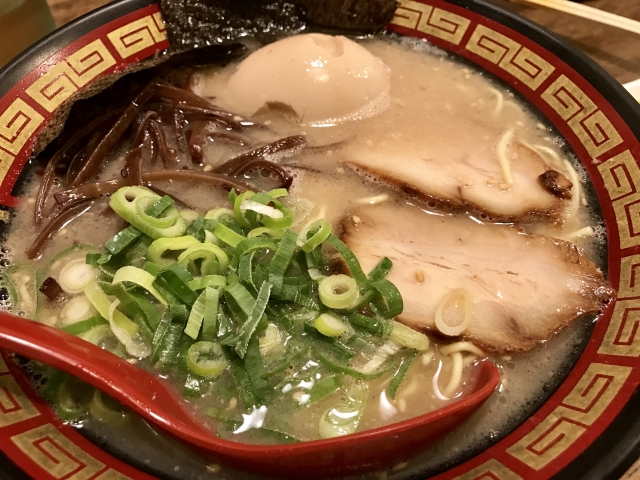
Fukuoka is the origin of Tonkotsu Ramen. You might know “Ichiran” which is also from Fukuoka too. There is a ton of Ramen shops including food vender there.
💰 Price: Vary ¥700–¥1,200
Kurume Ramen
Kurume Ramen was invented in Kurume City, Fukuoka in 1937 and it was called “Shina soba“(noodle) and soup was clear made by pork broth which is the origin of Tonkotsu ramen. They accidently put fire on strongly and the soup became not clear that is now standard tonkotsu ramen soup that we eat.
Hakata Ramen
Hakata Ramen is one of 3 big ramens in Japan with Kitakata Ramen and Sapporo Ramen, also very known in anywhere in the world. It is Tonkotsu Ramen (broth from pork bone), with thin noodle.
Ippudo, Ichiran, Hakata Ikkosha are going to other countries and making many fans all over the world.
Hakata Ramen was found in 1940, it was not thin noodle with soy sauce + pork broth soup, and called “Soba” instead of Ramen at the time. In 1946, Mr. Yamamura who ran Udon noodle shop and Mr. Tsuda who had Tempura shop created current style Tonkotsu Ramen.
Nagahama Ramen
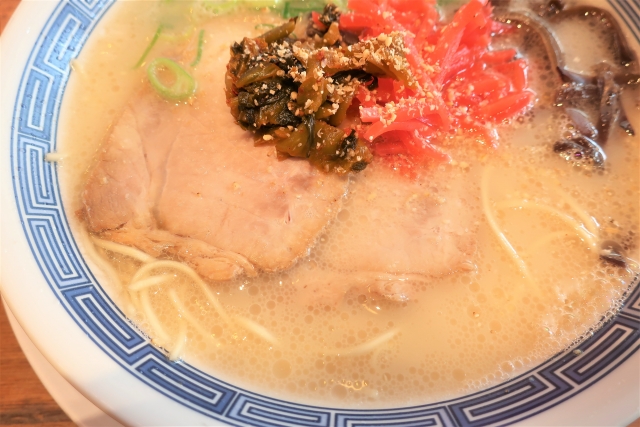
Nagahama ramen was started at Ganso Nagahama Ya in 1952. They had opened shops in town but it didn’t go well, but it became popular at the store at Fish Market in Ohama. In 1955 the fish market was moved to Nagahama, many stores were opened there.
They started using thin noodle to cook and serve faster for their busy customers who is working at fish market. And they started Kaedama (noodle refill) because thin noodle is easy to get soggy. They started serving a small amount of thin noodle and a system of Kaedama which is very normal system for Hakata Ramen today.
Ichiran Ramen
Ichiran is one of most famous ramen restaurants in Japan from Fukuoka, I have taken my friends who are from Germany, Taiwan, France, USA, and so on and all of them loved it 😉

Motsu Nabe – Hot Pot with Offal and Veggies
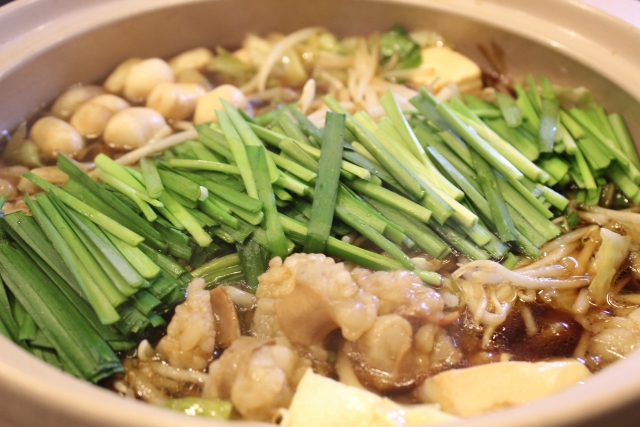
Motsunabe is a hot pot made with beef or pork offal, cabbage, garlic, and chives, simmered in a soy-based or miso-based broth.
It became popular in post-war Fukuoka when Korean immigrants introduced offal cooking techniques. At the time, offal was inexpensive, making it a practical and nutritious dish for working-class families.
What makes Fukuoka-style motsunabe special:
- Heavy use of garlic
- Generous cabbage
- Often finished with champon noodles
Compared to other Japanese hot pots:
- Sukiyaki → sweet soy broth with beef slices
- Shabu-shabu → light dipping style
- Motsunabe → bold, garlicky, collagen-rich
💡 Why in Fukuoka?
The original flavor profile and atmosphere (especially in Tenjin) feel authentic. It’s also deeply tied to the city’s working-class food culture.
💰 Price: ¥1,500–¥3,000 per person
Hakata Motsunabe Yamaya : Restaurant in Fukuoka
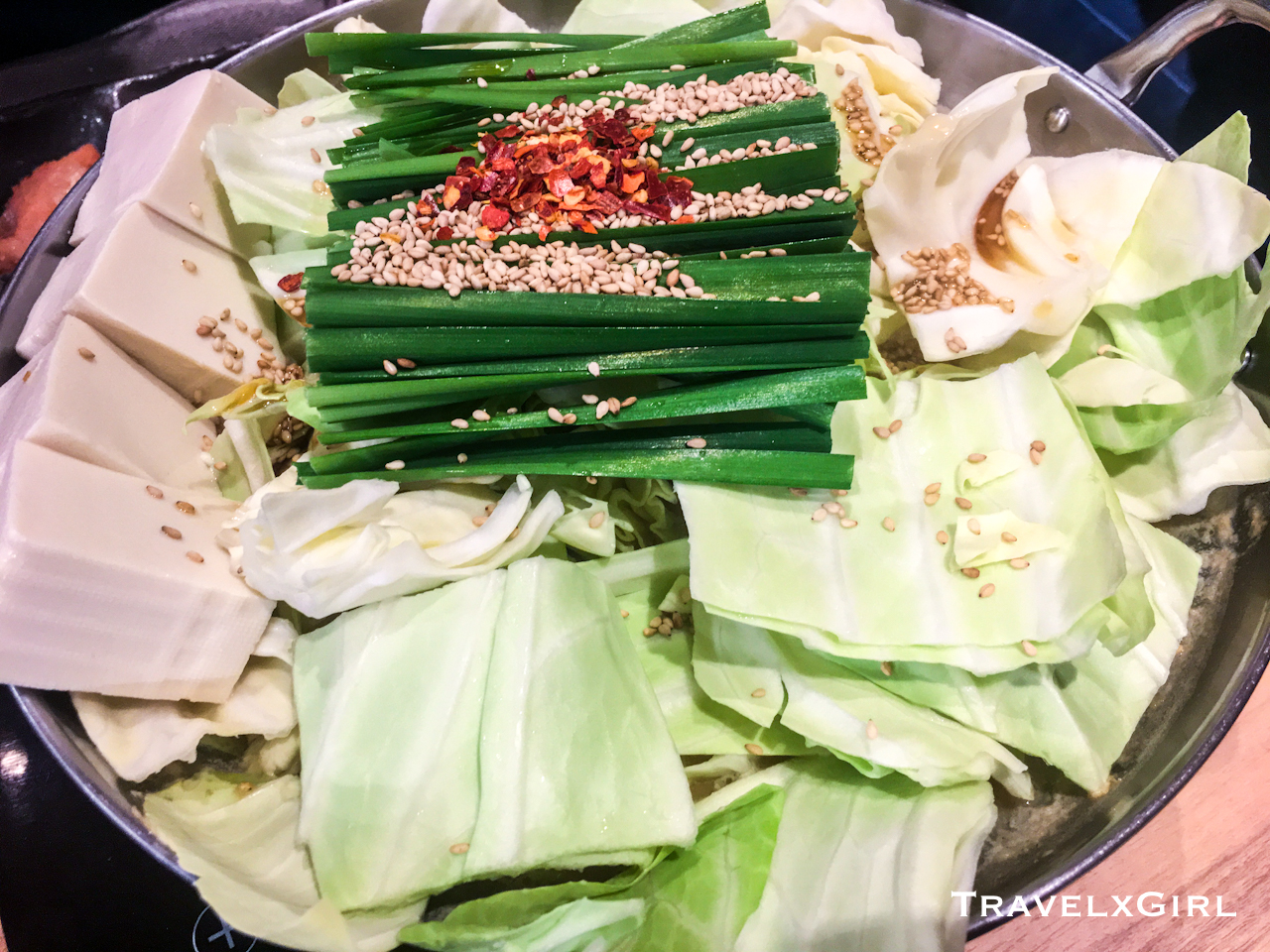
I tried Hakata Motsunabe for lunch at restaurant named Yamaya in Tenjin, that offered lunch sets. It was a great deal that comes with Motsunabe, noodle or rice (for nabe), small side dish – Mentaiko which is also one of Fukuoka Specialities.
 Kiki
KikiThere are multiple locations, including Tokyo, Yokohama, and more.
Mizutaki – Hot pot
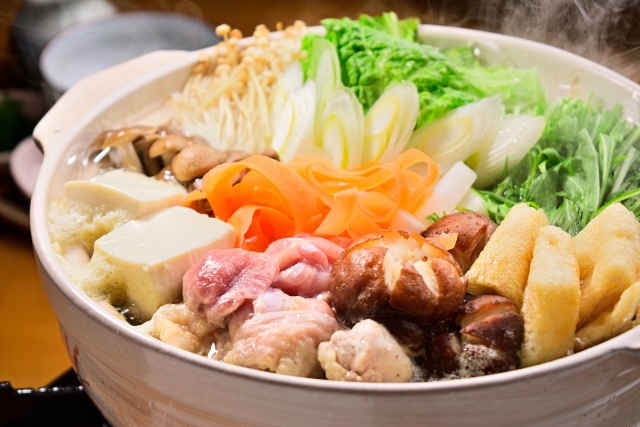
Mizutaki is a traditional chicken hot pot dating back over 100 years in Fukuoka.
Unlike richer hot pots, mizutaki uses a simple broth made by slowly simmering chicken bones. The dish is often eaten in a specific order: first drink the broth, then dip the chicken in ponzu sauce.
Compared to:
- Tokyo-style chicken nabe → more soy-heavy
- Mizutaki in Fukuoka → clearer broth, chicken-forward
💡 Why in Fukuoka?
The long-established specialty restaurants preserve the original cooking style and etiquette.
💰 Price: ¥1,500–¥3,000 per person
Hakata Gyoza
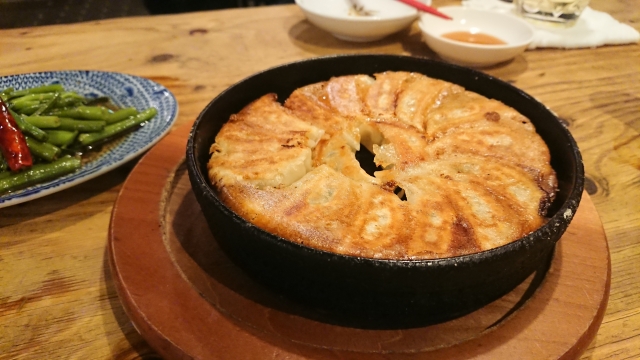
Hakata gyoza are smaller and crispier than Tokyo-style dumplings.
They are often served in iron pans and eaten quickly with beer. The smaller size makes them ideal for sharing.
Compared to:
- Tokyo gyoza → larger, thicker skin
- Hakata gyoza → bite-sized, extra crispy
💡 Why in Fukuoka?
They pair perfectly with Hakata ramen or yatai hopping.
Mentaiko – Cod Roe
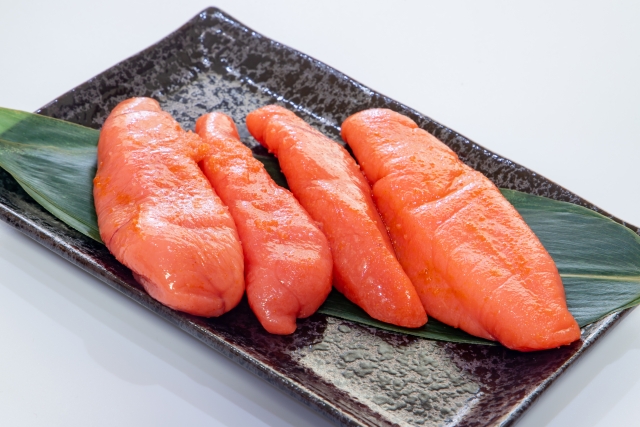
Mentaiko is spicy-seasoned Pollock roe, which is very famous and Japanese people eat it with rice. You’ll find it:
- On rice
- In pasta
- Inside onigiri
- At breakfast buffets
Toshio Kawahara found a company named “Fukuya” which is the oldest Mentaiko company in 1948. There are many Mentaiko company, but i would recommend you to try Fukuya, Yamaya or Kanefuku.
Here is the rate of spiciness if you like/dislike spicy food. Spiciness Level; Karashi Mentaiko > Mentaiko > Tarako. I personally like Tarako, just saying,
Also, Menbei is famous souvenir from Fukuoka. Menbei is short for “Mentaiko” + “Senbei”(Rice cracker).
Udon in Fukuoka
Fukuoka-style udon is surprisingly soft compared to other regions.
This texture is influenced by historical trade connections with continental Asia. The broth is lighter and less salty than Kanto-style udon.
Compared to:
- Sanuki udon (Kagawa) → firm and chewy
- Fukuoka udon → soft and comforting
💡 Why in Fukuoka?
It’s one of the few regions in Japan where locals genuinely prefer softer noodles.
Daichi no Udon – Hakata station, Fukuoka
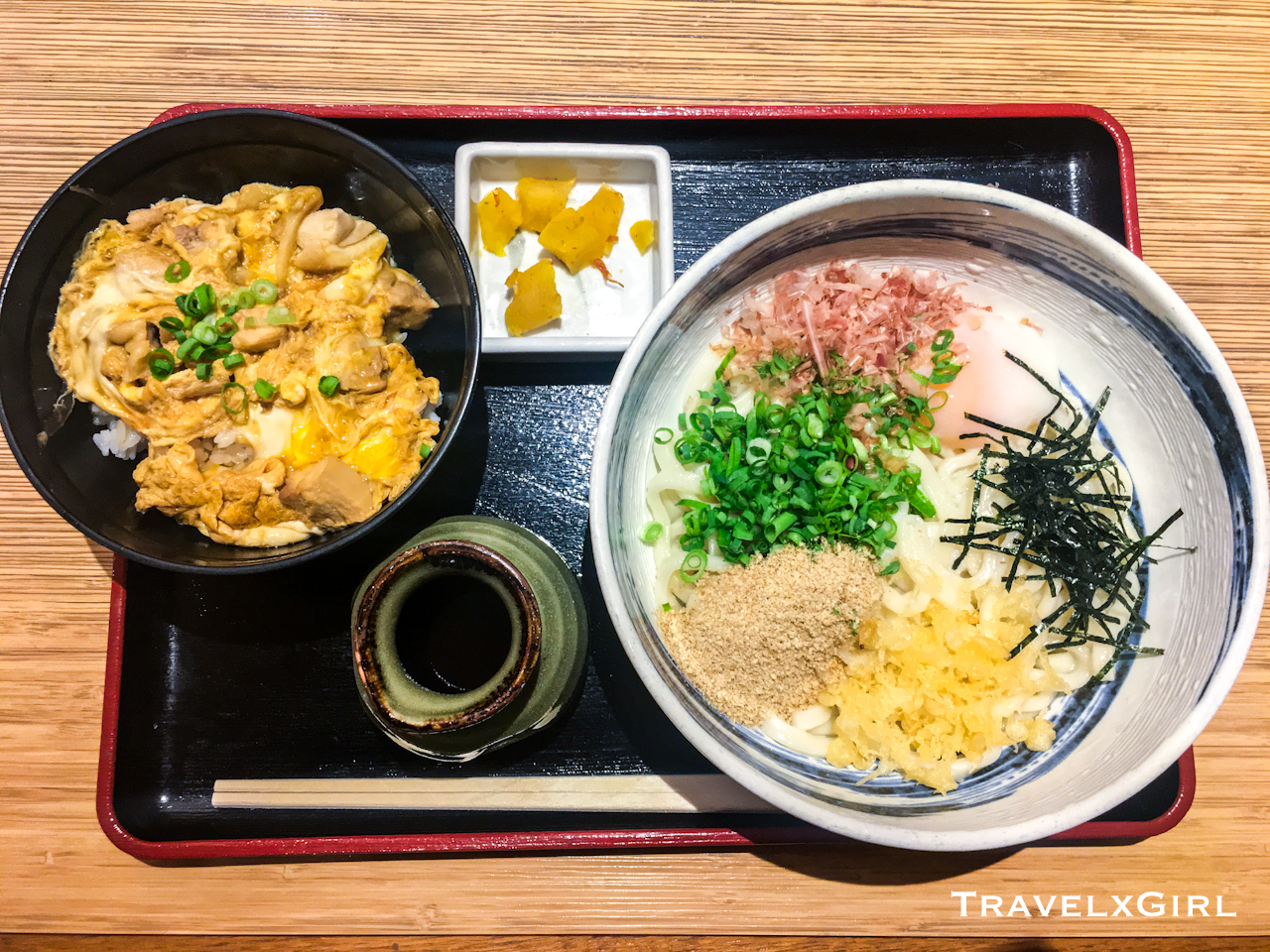
There is a Udon restaurant named Daichi no Udon at B2 floor in Hakata station, which is very convenient for a quick bite! I chose Udon with a small rice bowl, Oyako don (Chicken x Egg).
KikiUmegae mochi – Famous in Dazaifu
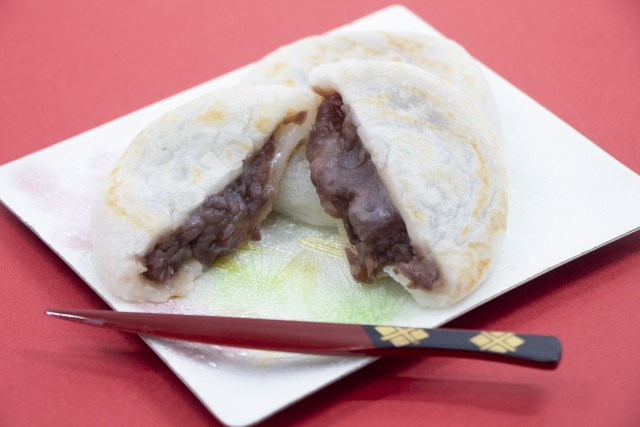
It’s a mochi sweet that you often see around Dazaifu Tenmangu. Outside is made by rice, and there is red bean paste inside. You can buy it for a couple of dollars!
Umegae Mochi at Yasutake and Kasanoya, Dazaifu
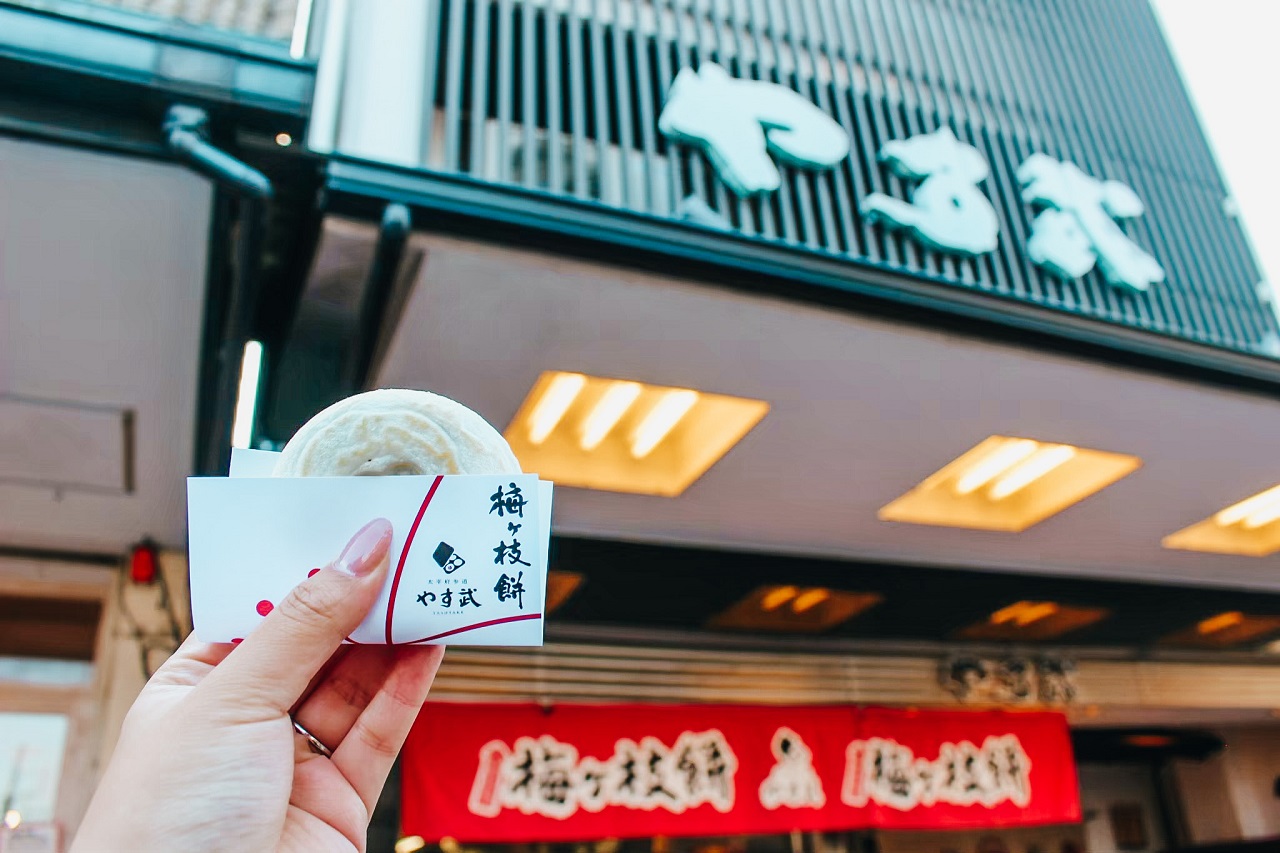
There are many stores that sell Umegae Mochi on the Omotesando street to Dazaifu Tenmangu Shrine from Dazaifu station. I tried it from Yasutake and Kasanoya.
Kiki
Amaou Strawberry – Fukuoka Grown

The strawberry named Amaou is from Fukuoka and very popular in Japan. It is not only delicious but also shiny and beautiful red.
Amaou strawberries are a premium variety grown in Fukuoka.
The name comes from:
- Amai (sweet)
- Marui (round)
- Ookii (big)
- Umai (delicious)
Compared to regular strawberries, Amaou are larger, juicier, and sweeter.
💡 Why in Fukuoka?
Because this is where they are grown — meaning peak freshness.
Seafood from Genkai Sea
Located near the Genkai Sea, Fukuoka has access to incredibly fresh seafood. Sashimi here is often firmer and fresher than inland cities like Tokyo.
Local specialties include:
- Saba (mackerel)
- Squid (ika)
- Yellowtail (buri)
💡 Why in Fukuoka?
Because of proximity to fishing grounds — freshness is unmatched.
Seafood Bowl Hinode, Hakata station
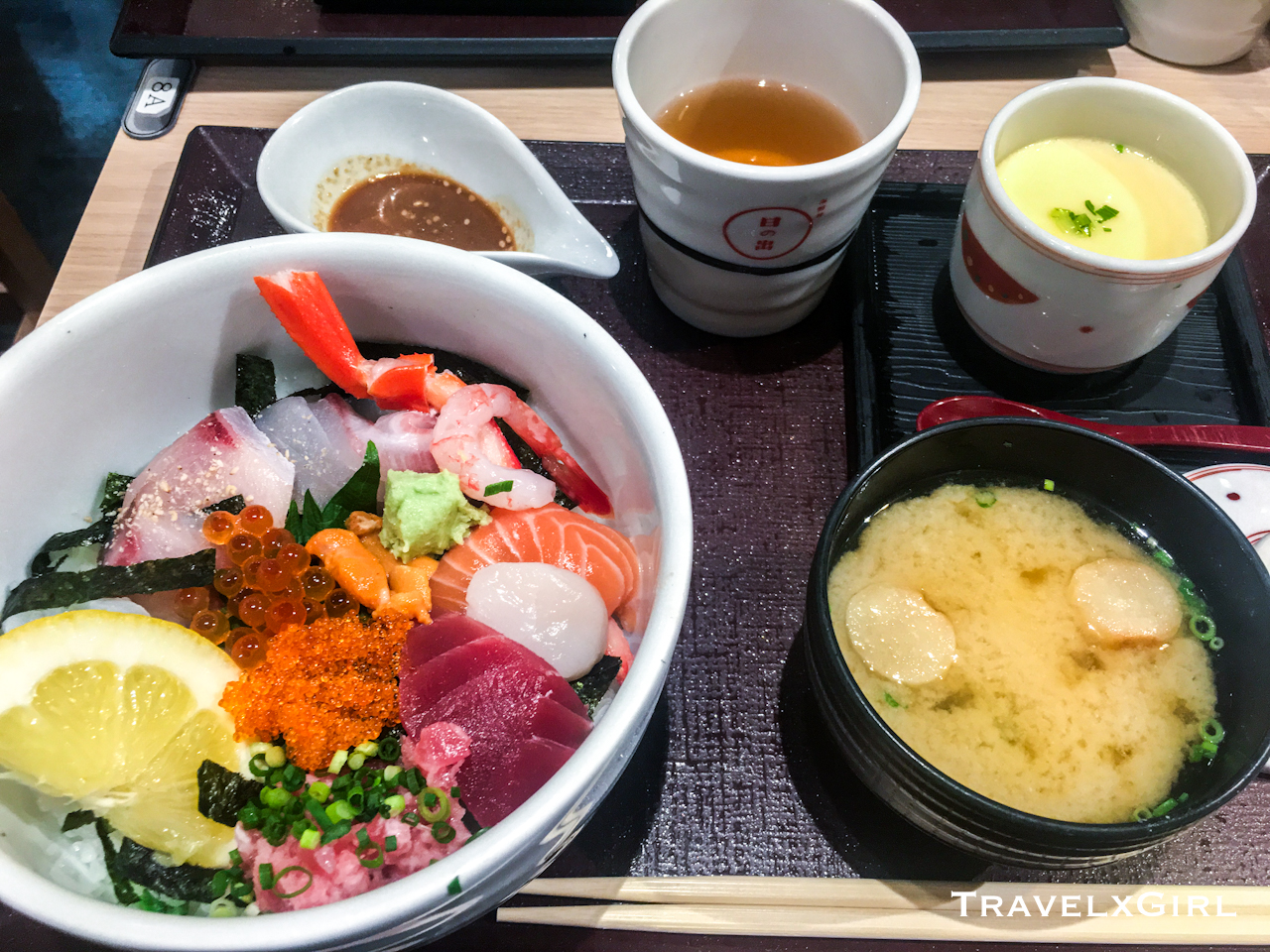
I had a dinner at Seafood Bowl Hinode, at Hakata station on my way back to the hotel from Hakata station.
KikiYatai Food in Fukuoka
Fukuoka is Japan’s yatai capital. These small outdoor food stalls line areas like Nakasu and Tenjin.
After World War II, yatai became a way for people to rebuild livelihoods. Today, they remain a rare street food culture in Japan (most cities phased them out).
You can eat:
- Ramen
- Yakitori
- Oden
- Gyoza
💡 Why in Fukuoka?
Because this is one of the only cities in Japan where you can still experience authentic Yatai culture.
📍 Best areas: Nakasu & Tenjin
Where to Eat in Fukuoka
- Tenjin – Best for yatai & nightlife
- Hakata Station – Easy access & famous ramen shops
- Nakasu – Street food culture
1-Day Fukuoka Food Plan
- Morning: Fukuoka Udon
- Lunch: Mentaiko rice bowl / Seafood Bowl
- Evening: Hakata ramen or Motsunabe or Yatai hopping (Hakata Gyoza, Seafood, etc)
- Dessert: Amaou strawberries, Umegae Mochi
FAQ: Fukuoka Food
Q, What is Fukuoka famous for food?
A, Fukuoka is famous for Hakata ramen, motsunabe, and mentaiko.
Q, Is Fukuoka good for street food?
A, Yes. Fukuoka is Japan’s most famous city for yatai street food stalls.
How many dishes/food did you know? 😉 Hope you enjoy local food there!