Explore Tsukiji, one of Tokyo’s best neighborhoods for food lovers, where seafood stalls, traditional shops, historic temples, and a working market atmosphere come together within a compact area.
From Tsukiji Outer Market and local food to Tsukiji Hongwanji Temple and Namiyoke Inari Shrine, this guide will help you plan an easy morning or half-day visit.
Welcome to Tsukiji
Tsukiji is one of the first places I’d recommend if food is an important part of your Tokyo trip.
Although Tokyo’s main wholesale fish market moved to Toyosu, Tsukiji Outer Market is still very much alive, with hundreds of shops and restaurants selling seafood, tamagoyaki, dried goods, tea, knives, kitchenware, and many other Japanese food products. It also remains a working market used by food professionals—not simply a tourist attraction.
That’s part of what makes Tsukiji interesting.
You can come here for sushi or a seafood bowl, but you can also browse ingredients used in Japanese cooking, visit a distinctive Buddhist temple, stop at a shrine closely connected with the history of Tsukiji, and then continue toward Ginza or the Tokyo waterfront.
For most travelers, I think a morning or half day works particularly well.
Tsukiji Area Map
On process..!
Tsukiji Outer Market is the center of most visits.
Tsukiji Hongwanji Temple is just west of the market, while Namiyoke Inari Shrine sits on the market side closer to the former inner-market area.
Ginza is within walking distance to the west, while Hamarikyu and Shiodome lie to the south and Toyosu is farther across the waterfront.
Best Things to Do in Tsukiji
Shibuya is home to some of Tokyo’s most recognizable landmarks, from the world-famous Scramble Crossing to the spectacular views at SHIBUYA SKY.
Whether you want to capture iconic Tokyo photos, discover the story behind a beloved local landmark, or explore modern urban spaces, these are some of the best places to visit in Shibuya.
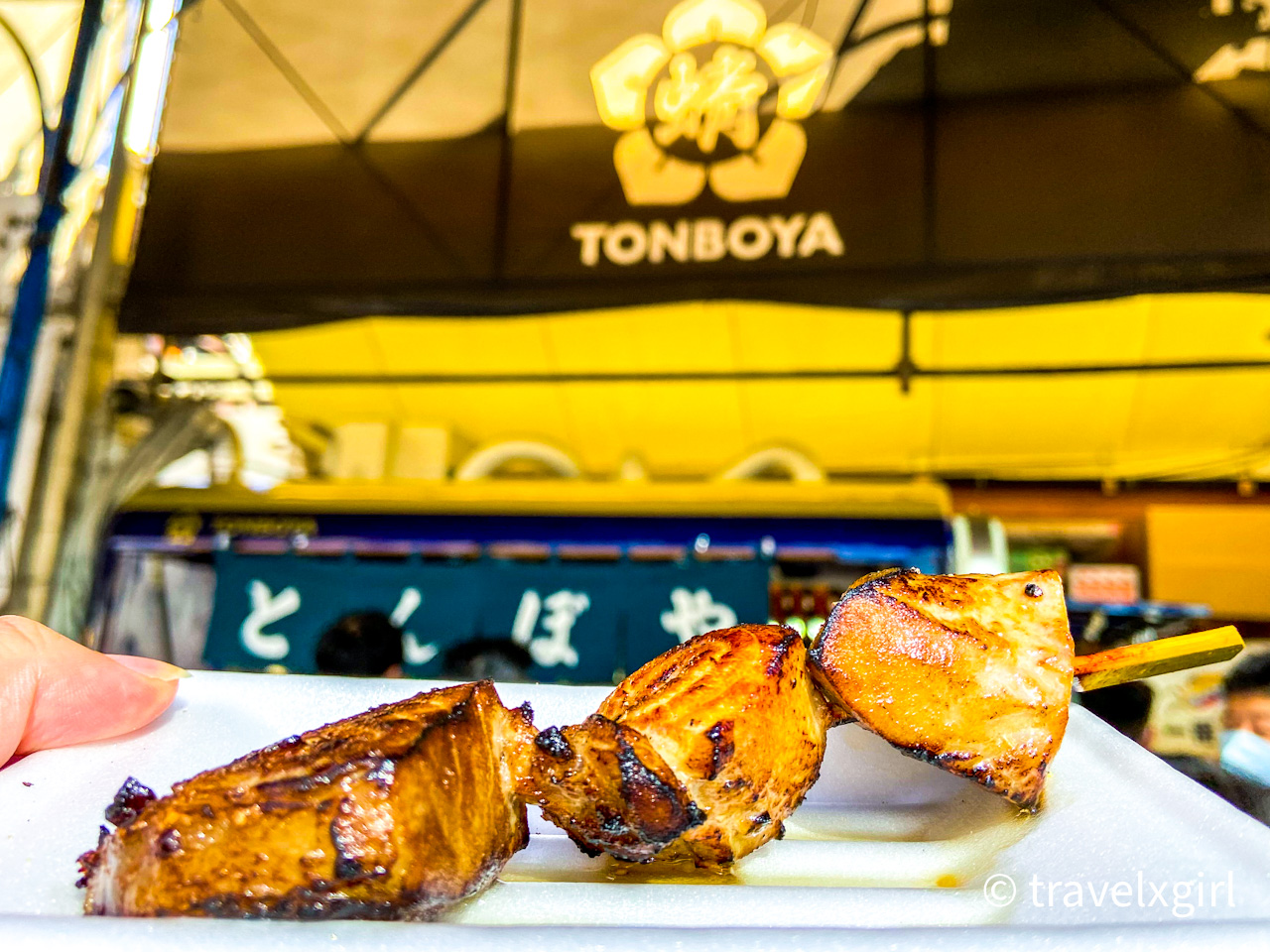
Explore Tsukiji Outer Market
For most visitors, Tsukiji Outer Market is the main reason to come to the neighborhood.
The narrow streets are packed with shops specializing in seafood, sashimi, tamagoyaki, dried bonito flakes, tea, fruit, tsukudani, knives, kitchen tools, and more. The official market describes Tsukiji as a place where food professionals still shop alongside local residents and visitors.
Of course, eating is a big part of the experience.
You’ll find sushi, sashimi rice bowls, grilled seafood, tamagoyaki, sweets, and plenty of other small things to try.
But I recommend slowing down and looking at the shops too rather than treating Tsukiji only as a street-food destination.
 Kiki
Local Tip: Tsukiji is still a working market. Professional buyers have priority before 9:00 a.m., so avoid blocking people who are working. The market also asks visitors to eat inside shops, in front of the shop where permitted, or in designated eating areas rather than walking around while eating.
Large suitcases are another thing I’d avoid bringing here—the streets are narrow and can become very crowded.
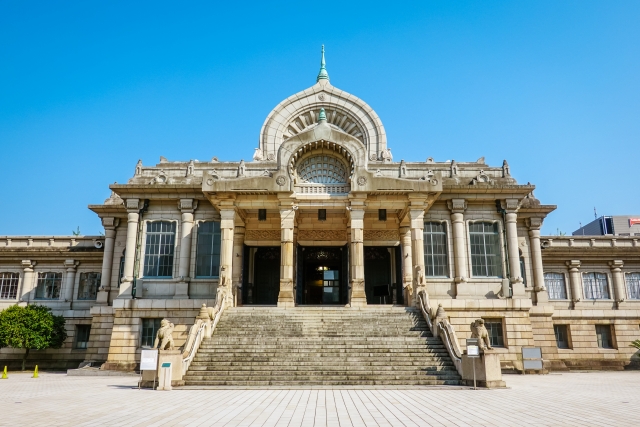
Visit Tsukiji Hongwanji Temple
Just outside the market area, Tsukiji Hongwanji offers a completely different atmosphere.
The temple’s distinctive stone exterior looks very different from the traditional wooden temple architecture many travelers expect to see in Japan, which makes it easy to recognize even from a distance.
Because it’s so close to Tsukiji Outer Market, it’s easy to add to your visit without requiring a separate trip.
I particularly like stops like this in a food-focused neighborhood because they give you a short break from the crowds and show another side of the area.
You don’t need to spend a long time here—simply stop by before or after exploring the market. The temple also provides multilingual information for international visitors.
Visit Namiyoke Inari Shrine
Namiyoke Inari Shrine is much smaller than Tsukiji Hongwanji, but it has an especially strong connection to the history of Tsukiji.
According to the shrine, the area was once part of the sea. During land-reclamation work in the 17th century, construction repeatedly struggled against strong waves. After an Inari deity was enshrined here in 1659, the waves were said to calm, giving the shrine its name Namiyoke—associated with overcoming waves and misfortune.
The shrine also contains monuments connected to foods and businesses associated with the old fish market, including memorials related to eggs, seafood, and even Yoshinoya.
It only takes a short time to visit, so I’d include it while walking around the Outer Market rather than treating it as a separate destination.
Shopping in Tsukiji Area
Tsukiji is one of my favorite kinds of places for souvenir shopping because you don’t have to buy typical tourist souvenirs.
Instead, you can look for things you might actually use at home.
Japanese knives, tea, dried bonito flakes, seaweed, seasonings, tableware, chopsticks, and other kitchen goods all make interesting options—especially if you enjoy cooking.
The market’s official visitor guide specifically highlights products such as knives, dried bonito flakes, tea, tsukudani, tamagoyaki, seafood, and fruit as part of the Tsukiji experience.
Just keep your home country’s customs restrictions in mind before buying fresh or animal-based food products to take overseas.
Where to Eat in Tsukiji
Tsukiji is obviously one of the areas where I’d make food part of the actual itinerary—not something you squeeze in between sightseeing.
Seafood is the obvious choice, but there’s much more than sushi.
You’ll find seafood bowls, sashimi, grilled fish, tamagoyaki, tempura, ramen, onigiri, sweets, and other casual options throughout the market.
The official market guide recommends an early lunch around 11:00 a.m., which can also help you avoid some of the peak lunch crowds.
Rather than listing all my food recommendations here, I’d use my dedicated Tsukiji food guide to decide what you want to try.
Kiki
Where to Stay in Tsukiji

You can stay around Tsukiji, but for many travelers I’d also consider nearby Ginza or Shiodome.
Ginza works especially well if you want excellent restaurants, shopping, and convenient access to central Tokyo while still being able to walk to Tsukiji in the morning.
Shiodome can be a good choice if you prefer modern hotels and easy access to the waterfront side of Tokyo.
If Tsukiji is one stop on a wider Tokyo itinerary, I wouldn’t choose your hotel based only on being beside the market. Think about where you’ll spend the rest of your trip too.
→ Where to Stay in Ginza
Coming soon.
Getting to & Around Tsukiji
Tsukiji Station on the Tokyo Metro Hibiya Line is the most straightforward station for most visitors.
Tsukijishijo Station on the Toei Oedo Line is also convenient, particularly for the market side closer to Namiyoke Inari Shrine.
Higashi-ginza is another useful option if you’re combining Tsukiji with Ginza.
Once you arrive, the neighborhood is easiest to explore on foot.
The market streets are compact, but they can also be narrow and crowded, so I’d avoid bringing unnecessary luggage.
If you’re planning to visit Tsukiji Uogashi specifically, general visitors are encouraged to visit after 9:00 a.m., once the professional purchasing period has finished.
Suggested Tsukiji Itinerary
For a first visit, I’d keep the route simple:
Tsukiji Station → Tsukiji Hongwanji Temple → Tsukiji Outer Market → Namiyoke Inari Shrine → Early Lunch → Continue to Ginza or Hamarikyu
This works particularly well because you can visit the temple first, then spend most of the morning enjoying the market after the professional buyers’ priority period.
If food is the main reason you’re visiting, spend longer inside the market and skip trying to fit too many additional attractions into the morning.
How Long Should You Spend in Tsukiji?
I’d allow around 2–4 hours for Tsukiji itself.
Two hours can work if you mainly want to explore the market, eat something, and see the nearby temple and shrine.
Three to four hours gives you more time to browse the shops, try several foods, and enjoy the area without rushing.
Tsukiji is also particularly easy to combine with another nearby neighborhood, so I don’t think most travelers need an entire day here.
Nearby Areas to Explore
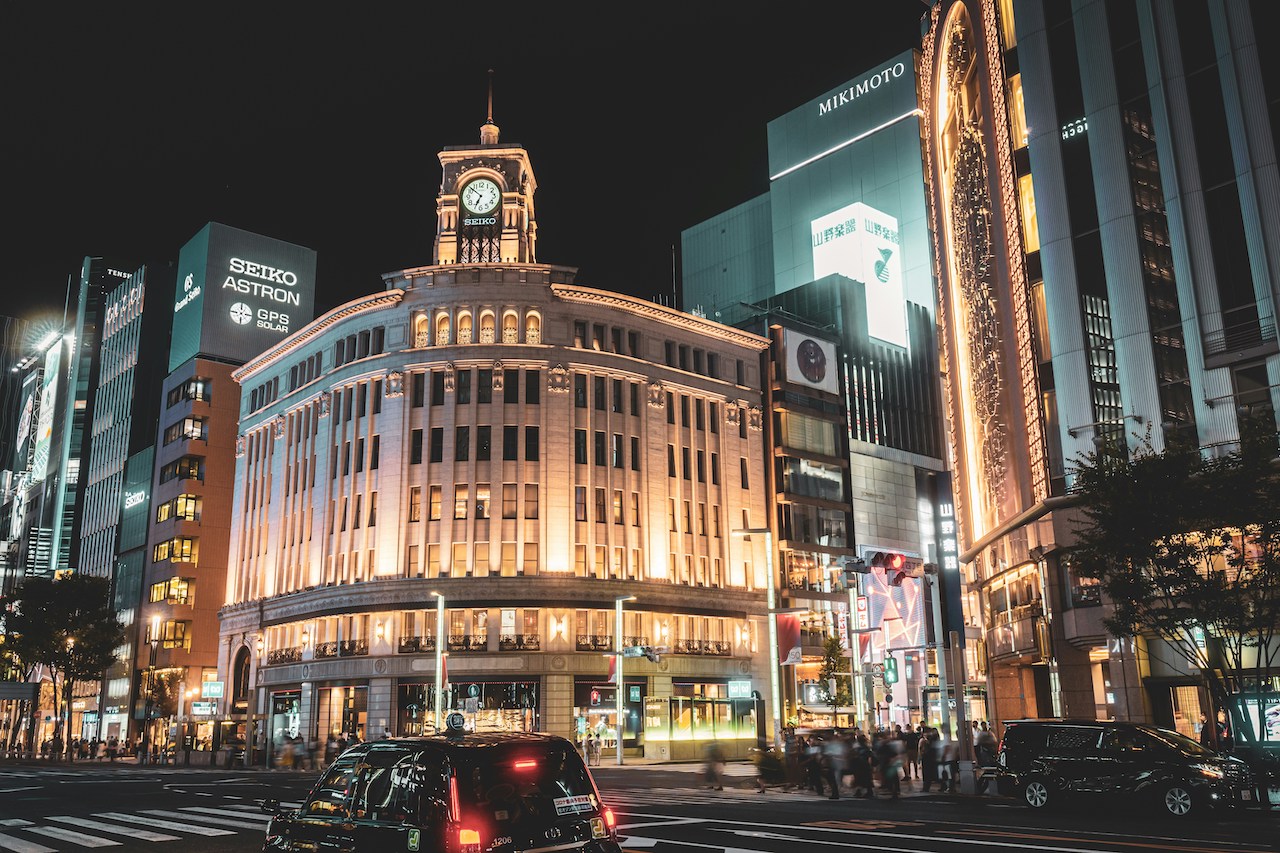
Ginza is one of the easiest neighborhoods to combine with Tsukiji.
After spending the morning around the market, walk toward Ginza for department stores, luxury shopping, cafés, restaurants, and a completely different Tokyo atmosphere.
The contrast works really well: traditional food-market culture in the morning, polished Ginza in the afternoon.
→ Read my Ginza Area Guide
Coming soon.
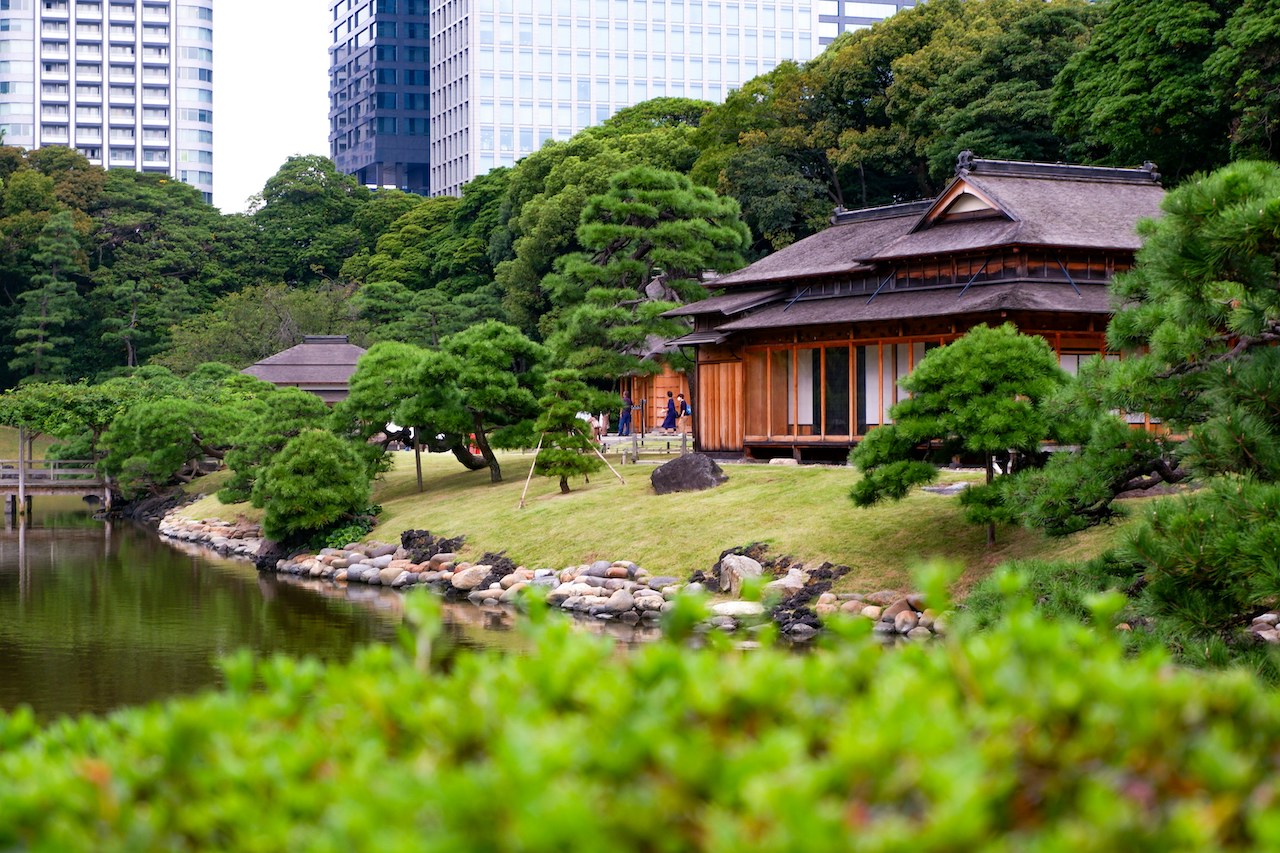
If you want something quieter after busy Tsukiji, head toward Hamarikyu Gardens and Shiodome.
Hamarikyu is one of Tokyo’s metropolitan cultural gardens and gives you a very different perspective on the city, with traditional landscaped grounds surrounded by modern skyscrapers.
Continue toward Shiodome for modern architecture, hotels, restaurants, and the waterfront side of central Tokyo.
This is the combination I’d choose if you want food + gardens + modern city views rather than more shopping.

If you’re especially interested in Tokyo’s seafood culture, Toyosu is the obvious next step.
The main wholesale market functions moved from Tsukiji to Toyosu, so visiting both areas gives you two very different sides of Tokyo’s market culture.
Toyosu is also home to teamLab Planets, an immersive digital-art museum in Shin-Toyosu.
It’s about a one-minute walk from Shin-Toyosu Station and around a five-minute walk from the Toyosu Market area.
I’d treat Toyosu as a separate destination rather than trying to walk there from Tsukiji.
TsukijiTravel Tips & FAQ
- Is Tsukiji Still Worth Visiting After the Fish Market Moved?
-
Yes.
The wholesale market moved to Toyosu, but Tsukiji Outer Market remains an active food district filled with specialist shops, restaurants, and businesses serving professionals, locals, and visitors.
If your goal is eating, browsing Japanese food products, and experiencing a lively traditional market neighborhood, Tsukiji is still well worth visiting.
- What Is the Best Time to Visit Tsukiji?
-
For most tourists, I’d aim for roughly 9:00 a.m. onward.
Before 9:00 a.m., professional buyers have priority, while the official market guide says that many shops operate around 9:00 a.m.–2:00 p.m. Individual opening days and hours vary, and many businesses close on Sundays and some Wednesdays.
Morning is definitely better than late afternoon.
- How Long Do You Need in Tsukiji?
-
Around 2–4 hours works well for most visitors.
That gives you time to explore the Outer Market, eat, visit Tsukiji Hongwanji and Namiyoke Inari Shrine, and browse a few shops.
Add Ginza, Hamarikyu, or Toyosu if you want to turn it into a longer day.
- Can You Eat While Walking Around Tsukiji?
-
You shouldn’t assume that you can.
The official Tsukiji Outer Market guidelines ask visitors to eat inside the shop, in front of the store where directed, or in designated eating areas, rather than wandering through the market while eating.
Follow each shop’s instructions—and this also makes the narrow streets easier for everyone to navigate.
- Should I Visit Tsukiji or Toyosu?
-
They offer different experiences.
Choose Tsukiji if you want food stalls, restaurants, specialist shops, and a compact neighborhood you can explore on foot.
Choose Toyosu if you’re interested in the modern wholesale-market area or want to combine your visit with teamLab Planets.
If you’re especially interested in Japanese food culture and have enough time, visiting both can be worthwhile.
More Tsukiji Travel Guides
Planning more time around this side of Tokyo?
You may also like Best Food & Restaurants in Tsukiji, Ginza Area Guide, Toyosu & teamLab Planets Guide, Shiodome Area Guide, and my other Tokyo Area Guides.

Final Thoughts
Tsukiji is compact, but there’s much more to it than grabbing sushi and leaving.
Explore the market slowly, look at the ingredients and kitchen tools as well as the prepared food, visit Tsukiji Hongwanji, stop at Namiyoke Inari Shrine, and leave some room for more than one thing to eat.
What makes Tsukiji interesting to me is that it still feels connected to Tokyo’s everyday food culture, even while being one of the city’s best-known destinations for international visitors.
And because Ginza, Hamarikyu, Shiodome, and Toyosu are all nearby, Tsukiji works especially well as the starting point for a longer day exploring this side of Tokyo.