Explore Harajuku & Omotesando, where Tokyo pop culture meets peaceful shrines, leafy parks, stylish cafés, and fashion-forward streets. From Takeshita Street to Meiji Shrine and Omotesando, this guide will help you plan the perfect half-day or full-day visit.
Welcome to Harajuku & Omotesando
Harajuku and Omotesando are two of Tokyo’s most famous neighborhoods for fashion, shopping, cafés, and youth culture—but they offer much more than Takeshita Street.
Within a relatively compact area, you can experience colorful pop culture, visit one of Tokyo’s most important shrines, take a break in a huge city park, browse independent shops, and walk past some of the city’s most stylish architecture.
I’ve spent a lot of time around this part of Tokyo over the years, and one of the things I like most is how quickly the atmosphere changes from one street to the next.
If you’re planning a visit, here’s how I’d explore Harajuku and Omotesando.
Why Visit Harajuku & Omotesando?
Harajuku and Omotesando are a great choice if you want to experience several different sides of Tokyo without traveling far between them.
Around Harajuku Station, you’ll find busy shopping streets and pop culture. Just a short walk away, Meiji Shrine feels peaceful and surrounded by nature. Head toward Omotesando, and the atmosphere becomes more polished, with designer boutiques, cafés, architecture, and stylish side streets.
That contrast is what makes this area so fun to explore.
You can easily spend half a day here, or turn it into a full day by adding lunch, cafés, and more shopping.
Harajuku & Omotesando Area Map
On process..!
Things to Do in Harajuku & Omotesando
Shinjuku offers a fascinating mix of nature, modern architecture, and traditional nightlife. From the peaceful gardens of Shinjuku Gyoen to panoramic city views and atmospheric alleyways, there’s plenty to explore.
Here are four of the best places to visit in Shinjuku, each offering a different side of this lively Tokyo neighborhood.
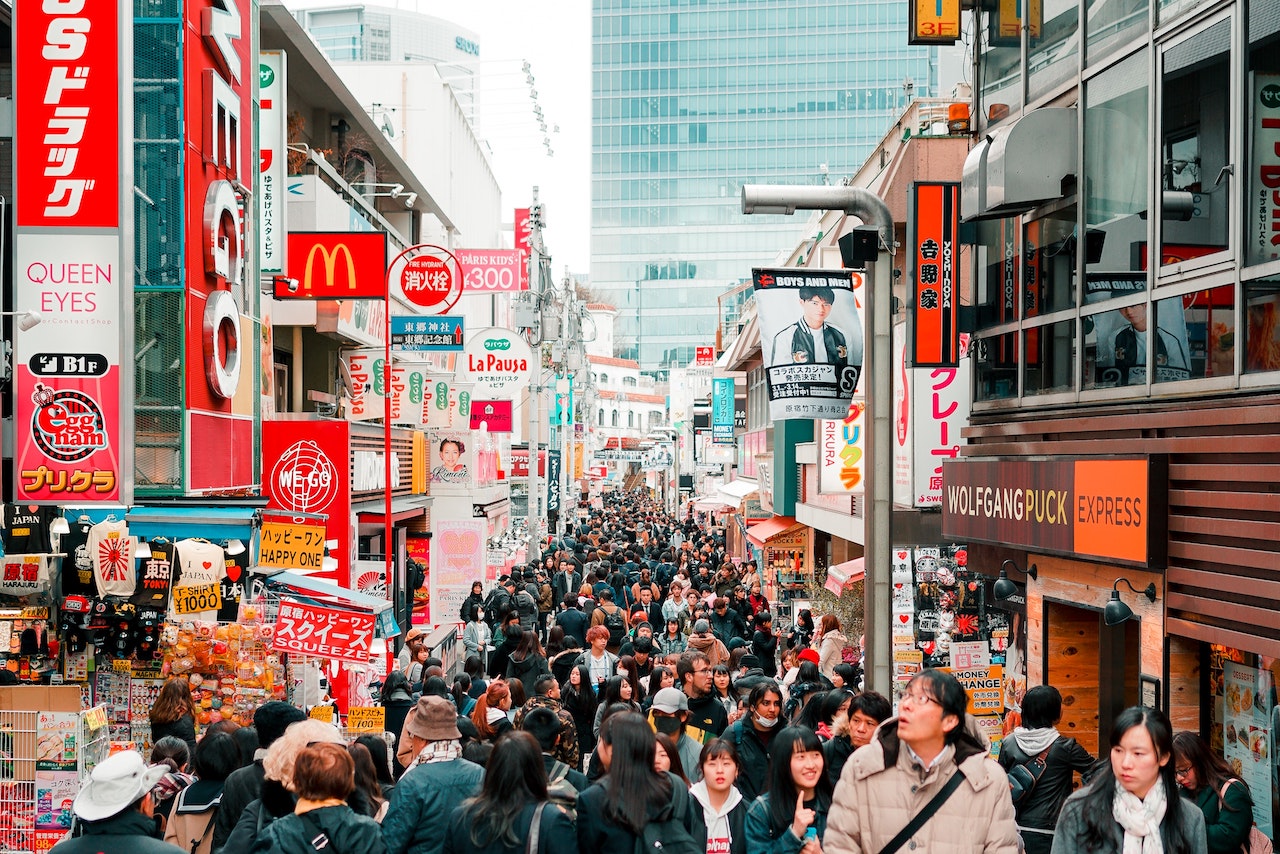
Explore Takeshita Street
akeshita Street is probably the most famous street in Harajuku.
It’s packed with fashion shops, snacks, character stores, accessories, and colorful displays aimed largely at younger shoppers.
Even if you’re not planning to buy much, it’s worth walking through at least once to experience the energy of Harajuku.
It can get extremely crowded, especially on weekends and holidays.
 Kiki
After exploring Takeshita Street, don’t stop there. Some of my favorite parts of Harajuku are actually the smaller streets surrounding it, where you’ll find more cafés, boutiques, and quieter places to wander.

Visit Meiji Shrine
One of the best things about Harajuku is how quickly you can go from busy shopping streets to somewhere completely peaceful.
Meiji Shrine is located right beside Harajuku Station, but once you walk through the large torii gate and enter the forested grounds, the atmosphere changes completely.
The long approach through the trees makes the shrine feel surprisingly removed from the city.
If you’re visiting Tokyo for the first time, I especially recommend combining Meiji Shrine with Harajuku. You get both modern Tokyo pop culture and a much more traditional, quiet experience within the same area.
Allow some extra time for the walk through the grounds rather than treating it as a quick photo stop.

Relax at Yoyogi Park
If you need a break from shopping and crowds, Yoyogi Park is an easy place to slow down.
The park is especially nice when the weather is comfortable, and it works well for a walk, a picnic, or simply sitting somewhere green for a while.
If you’ve picked up takeaway food or drinks around Harajuku, this can also be a convenient place to take a break.
Spring and autumn are particularly pleasant seasons for walking around this part of Tokyo.
You don’t necessarily need to spend hours here—the park can simply be a relaxing pause between Meiji Shrine and the busier streets of Harajuku.
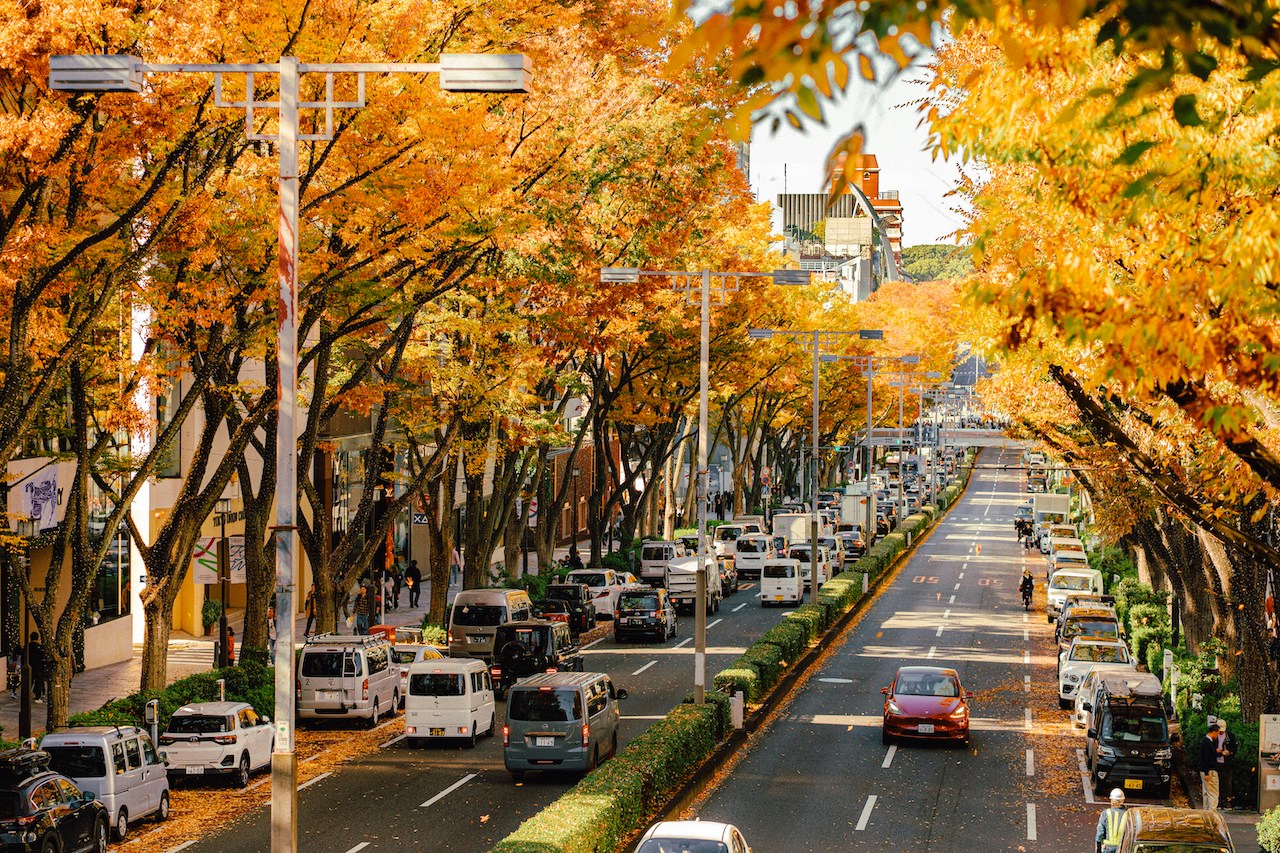
Shop Along Omotesando & Cat Street
If Takeshita Street shows you the playful side of Harajuku, Omotesando gives you a completely different shopping experience.
The wide avenue is lined with fashion brands, designer stores, cafés, and distinctive architecture.
Even if luxury shopping isn’t your thing, I still think Omotesando is worth walking because the street itself feels very different from central Harajuku.
Then head toward Cat Street, which connects the Harajuku and Shibuya areas.
Cat Street feels more casual, with fashion boutiques, cafés, lifestyle shops, and smaller streets to explore.
I especially like this route because you can gradually walk from Omotesando toward Shibuya rather than taking the train.
KikiWhere to Eat in Harajuku & Omotesando
Harajuku and Omotesando have a huge variety of food options, from casual sweets and cafés to brunch spots and proper restaurants.
Rather than trying to squeeze all of those recommendations into this area guide, I’ve put them together in my dedicated Harajuku & Omotesando Food Guide.
That guide includes places for coffee, sweets, casual meals, and restaurants around the area.
If you’re planning a half-day visit, I’d usually combine one proper meal with one café or sweet stop rather than trying to fit in too many places.
Where to Stay for Harajuku & Omotesando

Harajuku and Omotesando are very easy to visit, but I don’t necessarily think you need to stay directly here.
For most travelers, I’d choose either Shibuya or Shinjuku as a base and visit Harajuku and Omotesando during the day.
Stay in Shibuya
Shibuya is my first choice if you want to stay close to Harajuku and Omotesando while also having excellent restaurants, shopping, nightlife, and transportation nearby.
You can even walk between Shibuya and Harajuku via Cat Street.
If you’re deciding where to stay, my Shibuya hotel guide compares different sides of Shibuya and hotel options for different budgets and travel styles.
Stay in Shinjuku
Shinjuku is another convenient base, especially if you plan to explore more of Tokyo or take day trips using trains departing from Shinjuku.
Harajuku is easy to reach from Shinjuku, and staying there gives you access to an enormous number of restaurants, shops, and transportation options.
If Harajuku and Omotesando are only one part of a larger Tokyo itinerary, I’d generally choose your hotel based on your overall trip rather than staying here solely for these neighborhoods.
How to Get to Harajuku & Omotesando
There are several useful stations depending on where you want to start.
Harajuku Station is convenient for Takeshita Street, Meiji Shrine, and Yoyogi Park.
Meiji-jingumae Station is useful for central Harajuku and Cat Street.
Omote-sando Station is best if you want to start with Omotesando shopping and then walk toward Harajuku.
One easy way to explore the area is to enter from one station and leave from another rather than backtracking.
How Long Should You Spend in Harajuku & Omotesando?
I’d allow around 3–5 hours for a relaxed half-day visit.
That gives you enough time to visit Meiji Shrine, explore Takeshita Street, walk around Omotesando or Cat Street, and stop for food or coffee.
If shopping is a major priority, you could easily spend most of the day here.
You can also combine the area with Shibuya since the two neighborhoods are close enough to walk between via Cat Street.
Suggested Half-Day Route
If this is your first visit, I’d do something like this:
This route works particularly well because the atmosphere changes gradually as you move through the area.
You start with a peaceful shrine, move into colorful Harajuku, then finish with more polished shopping streets before arriving toward Shibuya.
If you prefer shopping first, simply reverse the route and start at Omote-sando Station.


Harajuku & Omotesando Travel Tips & FAQ
- Is Harajuku & Omotesando Worth Visiting?
-
Yes. Harajuku and Omotesando are worth visiting if you enjoy fashion, shopping, cafés, pop culture, or simply walking around different Tokyo neighborhoods. The area is especially interesting because you can experience everything from busy Takeshita Street to peaceful Meiji Shrine within a short walk.
- How Long Do You Need in Harajuku & Omotesando?
-
Around 3–5 hours is enough for a relaxed half-day visit. That gives you time for Meiji Shrine, Takeshita Street, Omotesando, Cat Street, and a café or lunch stop. If shopping is one of your main priorities, you could easily spend most of the day here.
- What Is the Difference Between Harajuku and Omotesando?
-
Harajuku is generally more colorful, casual, and closely associated with youth culture, street fashion, and Takeshita Street. Omotesando feels more polished and sophisticated, with designer boutiques, architecture, cafés, and wider streets. They’re right next to each other, so I recommend exploring both in the same visit.
- Can You Walk from Harajuku to Shibuya?
-
Yes. Harajuku and Shibuya are close enough to explore on foot, and Cat Street is one of my favorite routes between the two areas. Walking also lets you discover smaller shops and cafés that you might miss if you take the train.
- Where Should You Stay to Visit Harajuku & Omotesando?
-
For most travelers, I recommend staying in Shibuya or Shinjuku rather than choosing a hotel specifically for Harajuku or Omotesando. Shibuya is especially convenient if you want to walk between neighborhoods, while Shinjuku is a great base if you also plan to explore more of Tokyo or take day trips.
More Harajuku & Omotesando Travel Guides
Explore more local tips, food guides and detailed travel articles about Harajuku & Omotesando.