Explore Asakusa, where historic temples, traditional shopping streets, local snacks, and riverside views come together in one of Tokyo’s most iconic neighborhoods.
From Senso-ji Temple and Nakamise Street to Kappabashi and the Sumida River, this guide will help you plan an easy half-day or full-day visit to Asakusa.
Welcome to Asakusa
Asakusa is one of the best places in Tokyo to experience a more traditional side of the city.
At the center of the neighborhood is Senso-ji, Tokyo’s oldest Buddhist temple, surrounded by shopping streets, small restaurants, traditional sweets, souvenir shops, and old-fashioned streets that feel very different from areas like Shibuya or Shinjuku.
But Asakusa isn’t only about Senso-ji.
Walk a little farther and you can browse professional kitchenware in Kappabashi, relax beside the Sumida River, enjoy views of Tokyo Skytree, or explore quieter backstreets away from the busiest tourist routes.
For first-time visitors to Tokyo, Asakusa is one of the neighborhoods I’d definitely include in an itinerary.
Asakusa Area Map
On process..!
Most of the main attractions in Asakusa are relatively close together, which makes the area easy to explore on foot.
Senso-ji and Nakamise form the center of a typical first visit, while the Sumida River lies to the east and Kappabashi is to the west.
You can also easily continue from Asakusa toward Tokyo Skytree, Kuramae, or Ueno.
Best Things to Do in Asakusa
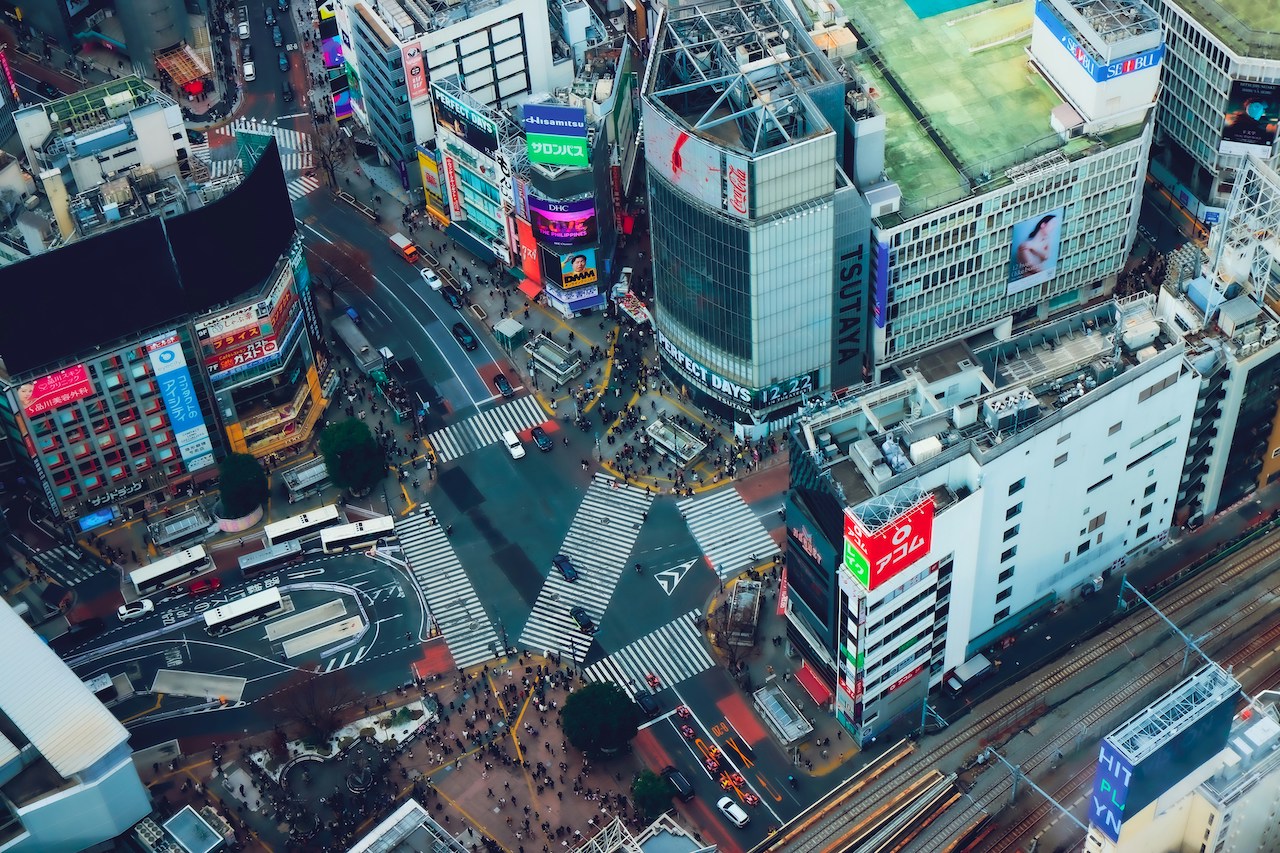
Shibuya is home to some of Tokyo’s most recognizable landmarks, from the world-famous Scramble Crossing to the spectacular views at SHIBUYA SKY.
Whether you want to capture iconic Tokyo photos, discover the story behind a beloved local landmark, or explore modern urban spaces, these are some of the best places to visit in Shibuya.

Visit Senso-ji Temple
Senso-ji is the heart of Asakusa and one of Tokyo’s most famous temples.
Most visitors enter through the enormous Kaminarimon Gate, walk through Nakamise Shopping Street, pass Hozomon Gate, and continue toward the main temple hall.
Even though the area can be extremely busy during the day, I still think Senso-ji is absolutely worth visiting—especially if it’s your first time in Tokyo.
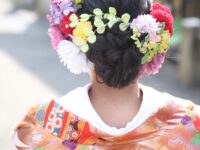
Don’t rush straight to the main hall, either. Take some time to notice the gates, lanterns, incense, smaller temple buildings, and traditional details around the grounds.
 Kiki
Explore Nakamise Shopping Street
Nakamise is the traditional shopping street connecting Kaminarimon with Senso-ji.
The street is lined with shops selling Japanese sweets, snacks, traditional crafts, souvenirs, accessories, and small gifts.
It’s a fun place to try something sweet or pick up a souvenir, but remember that eating etiquette can vary by shop.
Some stores ask customers to eat food near the shop rather than walking through the street while eating.
KikiLocal Tip: Follow the individual shop’s instructions, and avoid walking while eating when signs ask you not to.
Nakamise can become very crowded, so if you prefer browsing slowly, earlier in the day is usually easier.
Walk Along the Sumida River
After exploring the busy streets around Senso-ji, head toward the Sumida River for a completely different atmosphere.
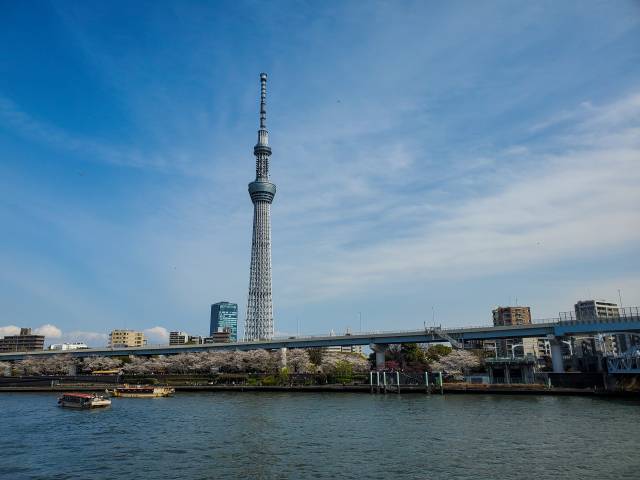
The riverside is a good place to walk, take a break, and enjoy views toward Tokyo Skytree across the river.
It’s particularly pleasant when the weather is comfortable, and the area becomes especially beautiful during cherry blossom season.
I like including the river in an Asakusa itinerary because it gives you a little breathing room after the crowds around Nakamise and Senso-ji.
You don’t need to plan a major activity here—sometimes a short walk and a few photos are enough.
Browse Kappabashi Kitchen Street
If you enjoy cooking, food, or Japanese kitchenware, Kappabashi is worth the extra walk.
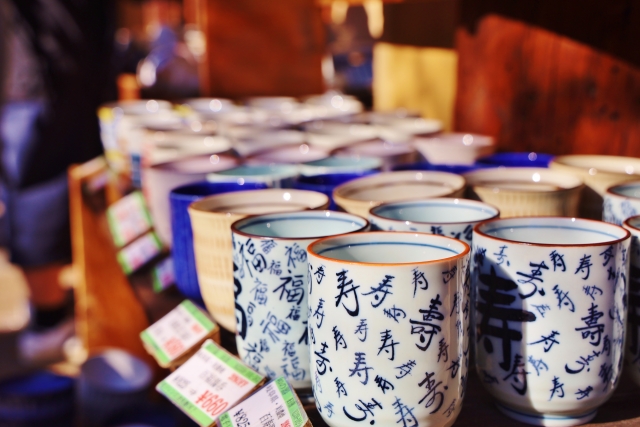
The area is known for shops selling professional cooking equipment, Japanese knives, tableware, ceramics, kitchen tools, and the incredibly realistic plastic food samples you often see outside Japanese restaurants.
Even if you aren’t planning to buy professional cookware, it’s a fun place to browse because the shops are so different from typical souvenir stores.
For travelers who want to take home something practical from Japan, a Japanese knife, ceramic bowl, chopsticks, or kitchen tool can also make a more memorable souvenir.
Shopping in Asakusa Area
Shopping in Asakusa is very different from shopping in Shibuya or Omotesando.
Instead of fashion malls and designer brands, the neighborhood is especially good for traditional souvenirs, Japanese sweets, crafts, kitchenware, and small local shops.
Nakamise is the easiest place to start if you’re looking for classic souvenirs.
For kitchenware and tableware, head toward Kappabashi.
And don’t forget to explore some of the smaller streets surrounding Senso-ji. You’ll often find shops selling traditional goods away from the busiest part of Nakamise.
If you’re buying food souvenirs, always check whether they can be taken into your home country before packing them.
Where to Eat in Asakusa
Asakusa is one of my favorite Tokyo neighborhoods for traditional Japanese food.
You’ll find tempura, soba, sushi, eel, monjayaki, Japanese sweets, and casual street snacks throughout the area.
Rather than listing every restaurant here, I’ve put my recommendations into a dedicated Asakusa food guide.
If this is your first visit, I’d plan at least one proper meal in Asakusa and leave a little room for a snack or traditional sweet while exploring.
The area around Senso-ji is busy at lunchtime, so eating a little earlier or later can sometimes make things easier.
Where to Stay in Asakusa

Asakusa can also be a great place to stay in Tokyo, especially if you prefer a more traditional atmosphere to the energy of Shibuya or Shinjuku.
It can work particularly well for:
- First-time visitors interested in traditional Tokyo
- Couples
- Families
- Travelers who prefer quieter evenings
- Visitors planning to explore eastern Tokyo
- Travelers who want easy access to Ueno, Skytree, or Kuramae
The atmosphere becomes noticeably calmer in the evening once many day visitors leave, which is one advantage of actually staying in the neighborhood.
I’ll be adding a dedicated guide comparing the best areas and hotels in Asakusa.
→ Where to Stay in Asakusa: Best Areas & Hotels
Coming soon.
Getting to & Around Asakusa
Asakusa is served by several train and subway lines, so the best station depends on where you’re coming from.
The main Asakusa stations provide access via lines including
If you’re coming from central Tokyo, the Ginza Line is particularly useful because it connects Asakusa with areas such as Ueno, Ginza, and Shibuya.
Once you arrive, most of the main Asakusa attractions are easiest to explore on foot.
Senso-ji, Nakamise, the river, and surrounding shopping streets are all relatively close together.
Kappabashi requires a slightly longer walk, but it’s still easy to combine with central Asakusa.
Suggested Asakusa Itinerary
For a first visit, I’d keep the route simple.
Asakusa Station
Kaminarimon Gate
Nakamise Shopping Street
Senso-ji Temple
Lunch in Asakusa
Sumida River
Kappabashi Kitchen Street
If kitchenware isn’t particularly interesting to you, skip Kappabashi and spend more time exploring the streets around Senso-ji or continue across the river toward Tokyo Skytree.
For a shorter visit, Senso-ji + Nakamise + lunch + Sumida River works very well.
How Long Should You Spend in Asakusa?
For most first-time visitors, I’d allow around 3–5 hours.
That gives you enough time to visit Senso-ji, browse Nakamise, have something to eat, and walk along the Sumida River without rushing.
Add Kappabashi, several food stops, or lots of souvenir shopping and you can easily spend most of the day here.
Asakusa also combines very well with nearby areas, so you don’t necessarily need to spend an entire day only in Asakusa.
Nearby Areas to Explore

Tokyo Skytree is one of the easiest places to combine with Asakusa.
You can see the tower from many places around the Sumida River, and the area offers a completely different experience from traditional Asakusa.
Head here for panoramic Tokyo views, shopping, restaurants, and the Tokyo Solamachi complex.
Combining historic Asakusa + modern Tokyo Skytree is especially good for first-time visitors.
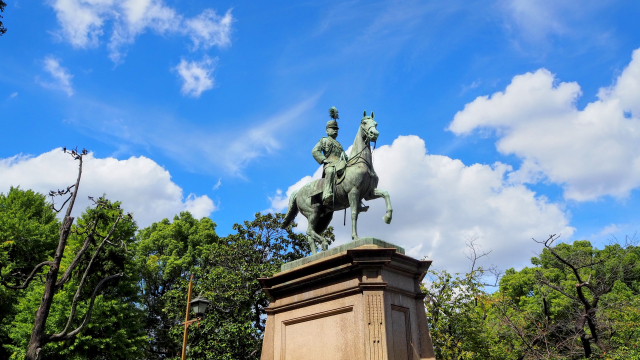
Ueno is another easy area to combine with Asakusa.
Visit Ueno Park for museums and cultural attractions, explore Ameyoko for a completely different shopping atmosphere, or use Ueno as another base for exploring northeastern Tokyo.
→ Read my Ueno Area Guide
Coming soon.
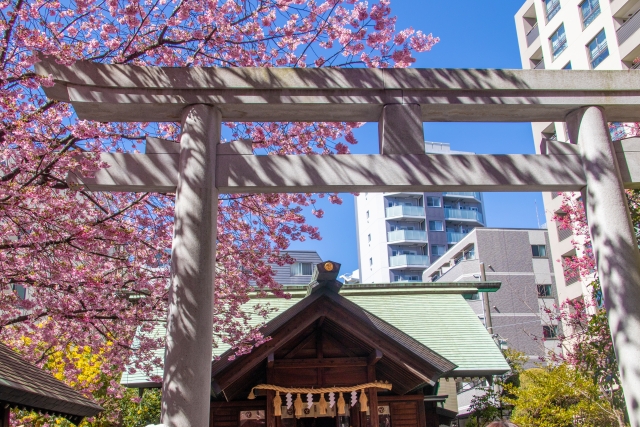
For somewhere quieter and more local, head toward Kuramae.
The neighborhood has become known for specialty coffee, small workshops, lifestyle shops, and local crafts.
It’s a nice contrast to busy Asakusa and particularly good if you enjoy discovering smaller cafés and independent businesses.
→ Read my Kuramae Area Guide
Coming soon.
Asakusa Travel Tips & FAQ
- Is Asakusa Worth Visiting?
-
Yes. I especially recommend Asakusa for first-time Tokyo visitors because it gives you a very different experience from modern neighborhoods like Shibuya and Shinjuku.
Senso-ji is the main attraction, but the traditional shopping streets, food, river views, and nearby neighborhoods make the area worth exploring beyond the temple itself.
- How Long Do You Need in Asakusa?
-
Around 3–5 hours is enough for the main sights at a relaxed pace.
Allow longer if you want to visit Kappabashi, try several restaurants or sweets, shop for souvenirs, or combine Asakusa with Tokyo Skytree.
- What Is the Best Time to Visit Asakusa?
-
Morning is a good choice if you want to see Senso-ji before the biggest crowds arrive.
The neighborhood becomes busier later in the morning and around lunchtime.
Evening is also interesting because Senso-ji remains atmospheric after many of the shops around Nakamise have closed.
- Can You Walk from Asakusa to Tokyo Skytree?
-
Yes. Asakusa and Tokyo Skytree are close enough to combine on foot if you enjoy walking.
Crossing the Sumida River also gives you nice views back toward Asakusa and toward the tower.
Alternatively, you can use public transportation if you’d prefer to save your energy.
- Is Asakusa a Good Area to Stay in Tokyo?
-
Yes, especially if you enjoy traditional neighborhoods, prefer quieter evenings, or plan to spend more time exploring eastern Tokyo.
However, if nightlife, fashion, or western Tokyo neighborhoods are your main priorities, Shibuya or Shinjuku may be a better base.
For many first-time visitors, the best choice depends on which side of Tokyo appears most often in your itinerary.
More Asakusa Travel Guides
Planning more time in Asakusa?
You may also like:
- Best Food & Restaurants in Asakusa
- Things to Do in Tokyo Skytree
- Kuramae Area Guide
- Ueno Area Guide
- Where to Stay in Asakusa
- Tokyo Area Guides


Final Thoughts
Asakusa may be one of Tokyo’s most famous tourist neighborhoods, but it’s worth looking beyond Kaminarimon and Senso-ji.
Browse Nakamise, try something local to eat, walk beside the Sumida River, explore Kappabashi, and leave yourself some time to wander through the smaller streets around the temple.
What I like about Asakusa is that you can experience temples, food, traditional shopping, local streets, and modern Tokyo views all within a relatively compact area.
And if you have more time, continue toward Tokyo Skytree, Kuramae, or Ueno to turn your Asakusa visit into a full day exploring eastern Tokyo.